TRI DUC ENGLISH
Reading Practice: Learning Vacations
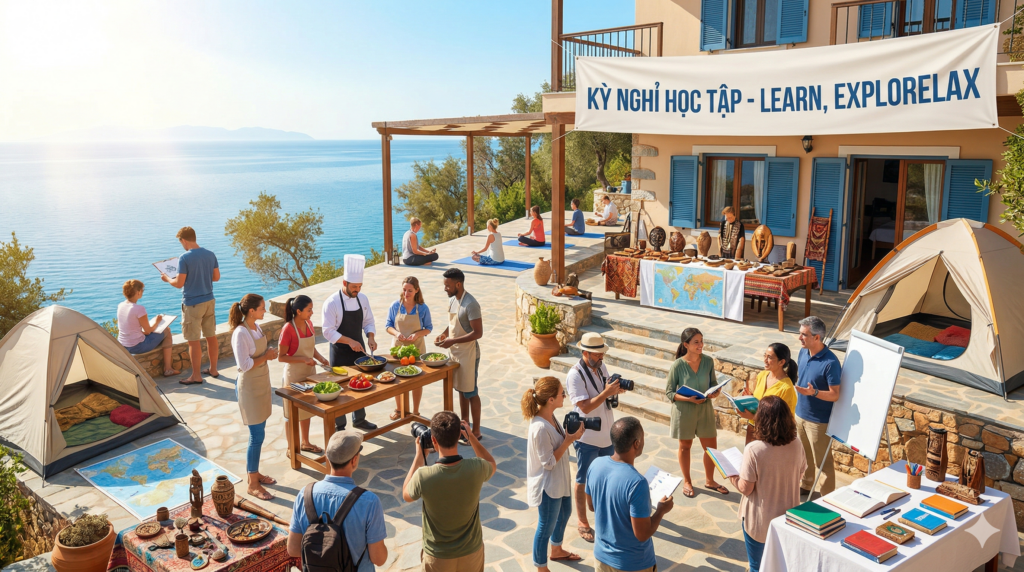
A couple spends a week in Thailand learning to cook in the local style. A group flies to Turkey to join an ongoing archeological dig for the summer. A history professor leads a tour of historical sites of Europe.
The participants in these trips are all enjoying a different kind of travel: learning vacations. Rather than spending their vacations relaxing on a beach or taking a bus tour of ten cities in eight days, they have opted to enjoy their time off by learning something new. From attending summer camps for adults to studying botany in the rain forest, people everywhere are experiencing the value of a vacation with a purpose. According to surveys, close to one-third of travelers each year choose learning programs over other types of vacations, and their numbers are growing.
In the past, these types of vacations were generally considered to be for young people still in school. A student of French might spend the summer studying that language in Paris. A marine biology major could learn to scuba dive and spend a few months at sea assisting researchers. Now, it has become common for adults, too, to spend their vacation time in educational endeavors, and various types of travel programs have grown up around this interest.
Art schools and writing programs sponsor trips to interesting parts of the world. Trip participants hone their creative skills under the supervision of professional artists and writers while at the same time enjoying, for example, the warm breezes of the Caribbean islands or the colorful villages of Spain. Cooking is a popular hobby, and tour companies have developed trips that focus on the cuisine of different regions of the world. Travelers may learn all about how traditional meals are prepared and what ingredients are used. Or, for those who want to improve their abilities in the kitchen, they may actually receive hands-on lessons, acquiring new skills that they can take home with them. Travelers to Britain can enroll in courses at any of the twenty-plus adult residential colleges around the country. The courses at these schools generally last just a few days and range in content from activities such as photography and dancing to more serious subjects such as history, philosophy, and literature.
These are just a few examples of the many types of learning vacations that people enjoy every year. In addition to gaining knowledge and skills, another advantage of these types of vacations is that they can be more economical than traditional vacations. Camping out near an archeological site or sleeping in a college dormitory or youth hostel certainly costs less than staying at a luxury hotel or vacation resort. And the fact that many of these trips can be organized by the travelers themselves without the services of a tour company or travel agency makes them even more economical. Of course, it all depends on the type of trip one chooses, and some companies offer learning vacations to exotic locales with expert professionals that are quite costly. With the broad range of possibilities available, there are options to suit all tastes and budgets.

Leave a Reply