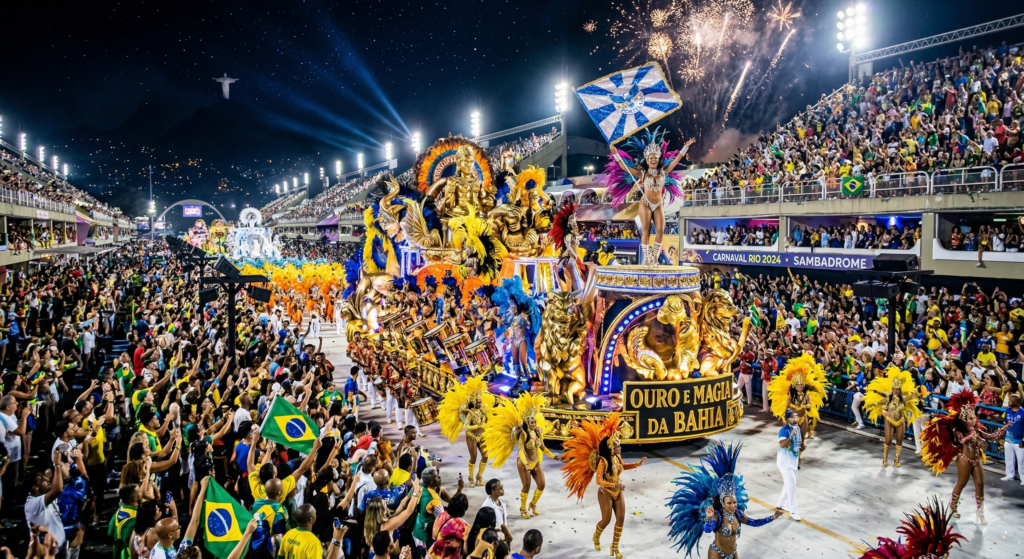
IELTS Speaking Part 3
Festivals & Cultural Identity
Evaluating Social Cohesion, National Pride, and the Preservation of Heritage
Topic Vocabulary
Patriotism
/ˈpeɪ.tri.ə.tɪ.zəm/ (n)
The feeling of love, devotion, and a sense of attachment to one’s homeland.
Commemorate
/kəˈmem.ə.reɪt/ (v)
To remember and show respect for a great person or event in the past.
Mores
/ˈmɔː.reɪz/ (n)
The traditional customs and ways of behaving typical of a particular society.
Cultural Cohesion
/kəʊˈhiː.ʒən/ (n)
The bond that keeps a society together through shared history and values.
Revive
/rɪˈvaɪv/ (v)
To bring something back into use, existence, or popularity.
Community Pride
(n)
The feeling of satisfaction and respect for the accomplishments of one’s local area.
National Identity
(n)
The qualities that make a nation different from others and give a sense of belonging.
Globalisation
/ˌɡləʊ.bəl.aɪˈzeɪ.ʃən/ (n)
The process by which businesses or cultures develop international influence.
*Click cards to hear pronunciation
Social & Cultural Functions
- Instills patriotism and national identity.
- Preserves history, shared values, and societal mores.
- Encourages community pride and unity among groups.
- Used to commemorate past events and heroes.
- Serves both entertaining and educational purposes.
Community Impact
- Brings diverse groups of people together in harmony.
- Revives dying local traditions and handicrafts.
- Increases public participation in social activities.
- Fosters a feeling of shared destiny and togetherness.
Festival Knowledge Quiz
Question 1
Which word describes the act of honoring a past event or person?
Question 2
What is a primary benefit of festivals for dying traditions?
Discussion Practice (Tự luận)
1. Contribution to Well-being
“How do festivals contribute to the cultural and social well-being of communities?”
Festivals are pivotal for societal well-being as they foster a strong community spirit and a sense of belonging. By celebrating shared history and mores, communities reinforce their cultural cohesion…
2. Globalisation vs. Traditions
“How may globalisation affect different festivals around the world?”
Globalisation acts as a double-edged sword for festivals. On one hand, it allows national celebrations to be known by other countries, promoting cross-community dialogue… On the other hand, it can lead to “cultural homogenization”…
3. Modern Changes
“Have holiday celebrations changed over the years in your country? In what ways?”
Celebrations have changed significantly, shifting from deeply religious or traditional rituals to more commercialized social events. While the role of family and togetherness remains central, technology has introduced new ways to celebrate…
4. Age Differences
“What are the differences between the social events that older and younger people enjoy?”
Older generations generally prefer traditional festivals that commemorate history and preserve cultural mores… In contrast, younger people are often drawn to more vibrant and modern social events, such as music festivals…
5. Keeping Festivals Alive
“What can be done to make festivals alive and relevant for future generations?”
To keep festivals alive, we must focus on public education. Schools should enlighten students about the history and significance of local celebrations… Additionally, organizers should incorporate modern elements that appeal to the youth…
6. Impact on Family Bonds
“What effect do you think family celebrations have on family relationships?”
Family celebrations have a profoundly positive effect by creating a dedicated space for bonding. These occasions provide the strength and comfort of a close-knit group, helping members solve personal problems…
Tri Duc English
© 2024 Educational Material – Topic 44: Festivals & Social Events
Leave a Reply