IELTS Topic
Bài 6: Holidays and tradition
1. Từ vựng cốt lõi (Core Vocabulary)
| Tiếng Anh | Tiếng Việt |
|---|---|
| Anticipate | Mong đợi, chờ đợi |
| Rest and recharge | Nghỉ ngơi và nạp lại năng lượng |
| Public holidays | Ngày lễ quốc gia / Ngày nghỉ lễ công cộng |
| Prosperous year | Một năm thịnh vượng / phát tài |
| Autumn harvest | Vụ thu hoạch mùa thu |
| Coincide with | Trùng hợp với / Diễn ra cùng lúc với |
| Symbolize harmony | Tượng trưng cho sự hòa thuận / êm ấm |
| Display affection | Thể hiện tình cảm / sự yêu mến |
2. Phân tích Bài đọc / Bài luận mẫu (Passage Analysis)
Paragraph 1: The Purpose of Holidays
A holiday is a time away from school or work… The summer holiday at school, for example, is often one to two months in many countries around the world, which is why students often anticipate its start. Regardless of the length, most people enjoy this break from their usual routines as it is their chance to rest and recharge. When given a considerable amount of holiday time, many choose to travel to different cities or countries.
Paragraph 2: Spring Festival and Traditions
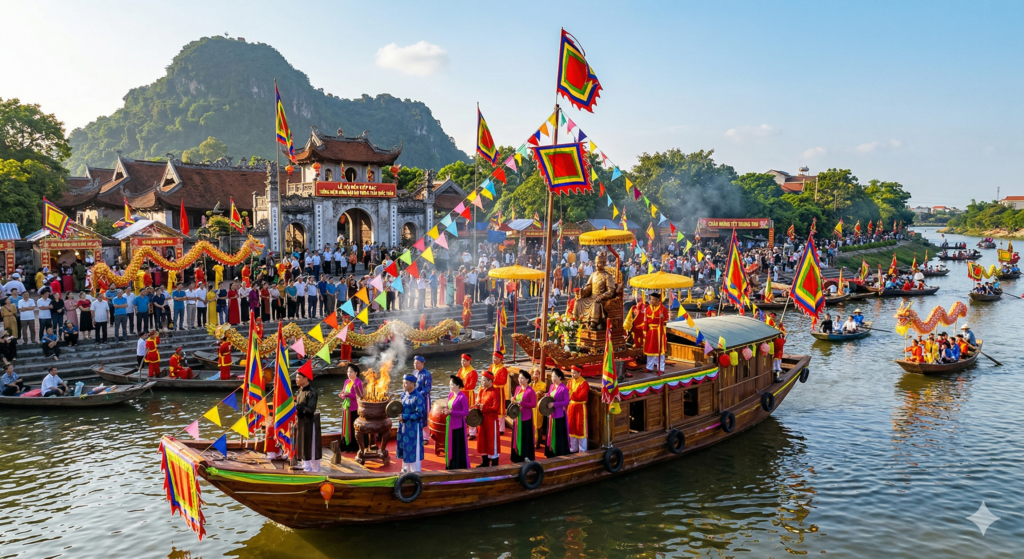
National holidays, also known as public holidays, are days off meant to celebrate something. In China, the Spring Festival is the most important public holiday… A tradition many young people look forward to is receiving red envelopes, called hongbao , that contain money from their relatives. Another tradition is to use firecrackers to scare away evil spirits, ensuring a prosperous year.
Paragraph 3: Mid-Autumn Festival
The Mid-Autumn Festival, also called the Mooncake Festival, is another Chinese public holiday that many enjoy. It is a time to be thankful for the autumn harvest that often coincides with a big, bright moon. A popular tradition is baking and eating mooncakes . In some homes, families share one mooncake with all the members to symbolize harmony at home. But others may give relatives and friends mooncakes to display affection.
Paragraph 4: Traditions in the Modern World
Although national holidays and their traditions are supposed to be honoured, these traditions are slowly being forgotten in some places. One reason is that younger people have become more interested in modern life than in past beliefs. Since some traditions are based on myths, some…
3. Cấu trúc câu ăn điểm (Sentence Structures)
- “Regardless of the length, most people enjoy [danh từ] as it is their chance to [hành động].” (Bất kể độ dài, hầu hết mọi người đều tận hưởng… vì đó là cơ hội để họ…)
- “National holidays, also known as [tên gọi khác], are days off meant to celebrate [sự kiện].” (Ngày lễ quốc gia, còn được gọi là…, là những ngày nghỉ nhằm kỷ niệm…)
- “It is a time to be thankful for [danh từ] that often coincides with [sự kiện/hiện tượng].” (Đó là thời gian để biết ơn vì… thứ thường trùng với…)
- “In some homes, families [hành động] to symbolize [ý nghĩa] at home.” (Ở một số gia đình, các thành viên… để tượng trưng cho… trong nhà.)
4. Bài tập thực hành (Practice Exercise)
Chọn từ/cụm từ phù hợp nhất để hoàn thành câu:
- After a long and stressful semester, students need a vacation to rest and .
- The opening ceremony of the Olympic Games is an event that millions of sports fans with excitement.
- This year, my birthday the weekend, so I can have a big party.
- The round shape of the mooncake is meant to unity and harmony among family members.
- Sending flowers is a simple but beautiful way to affection for your partner.
Leave a Reply