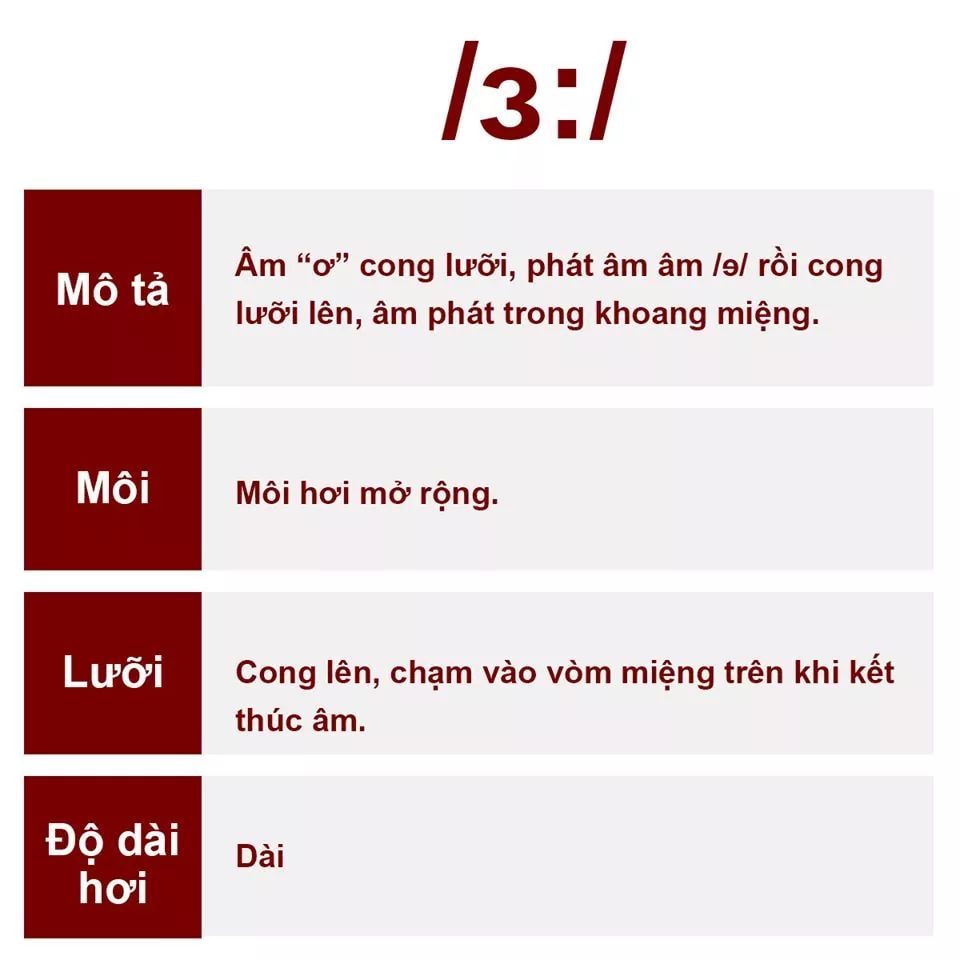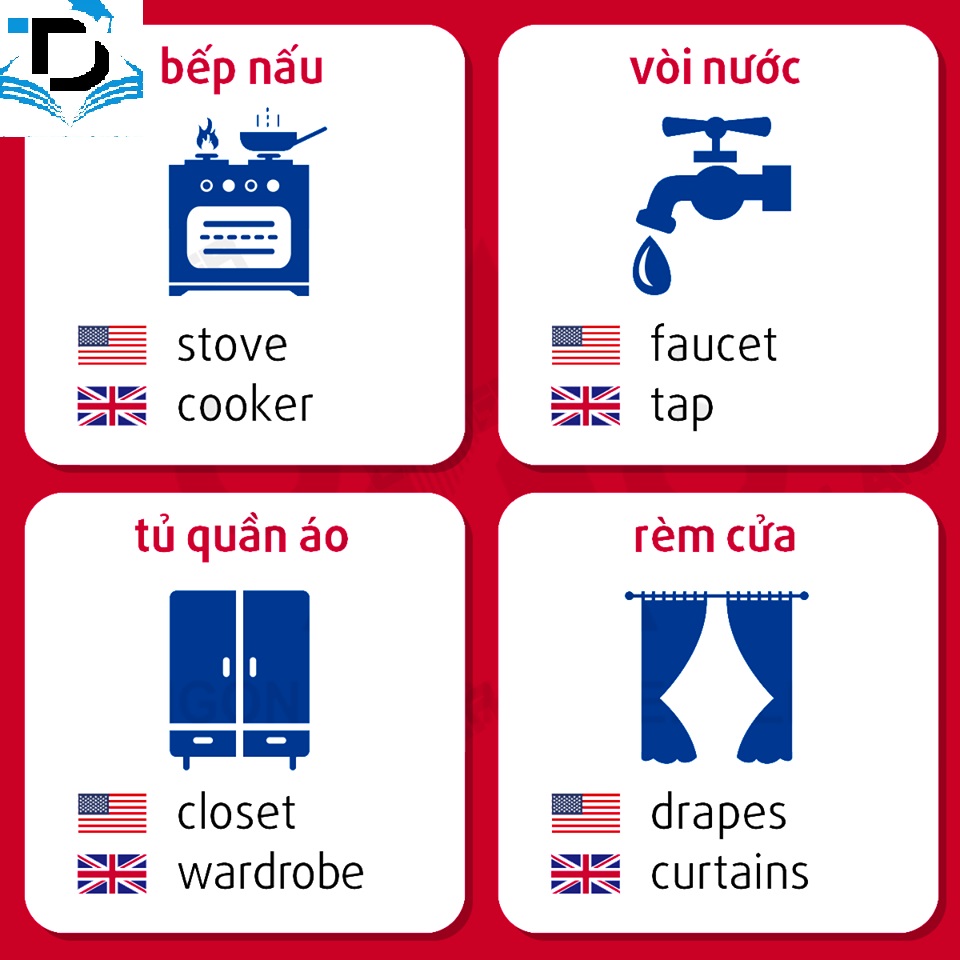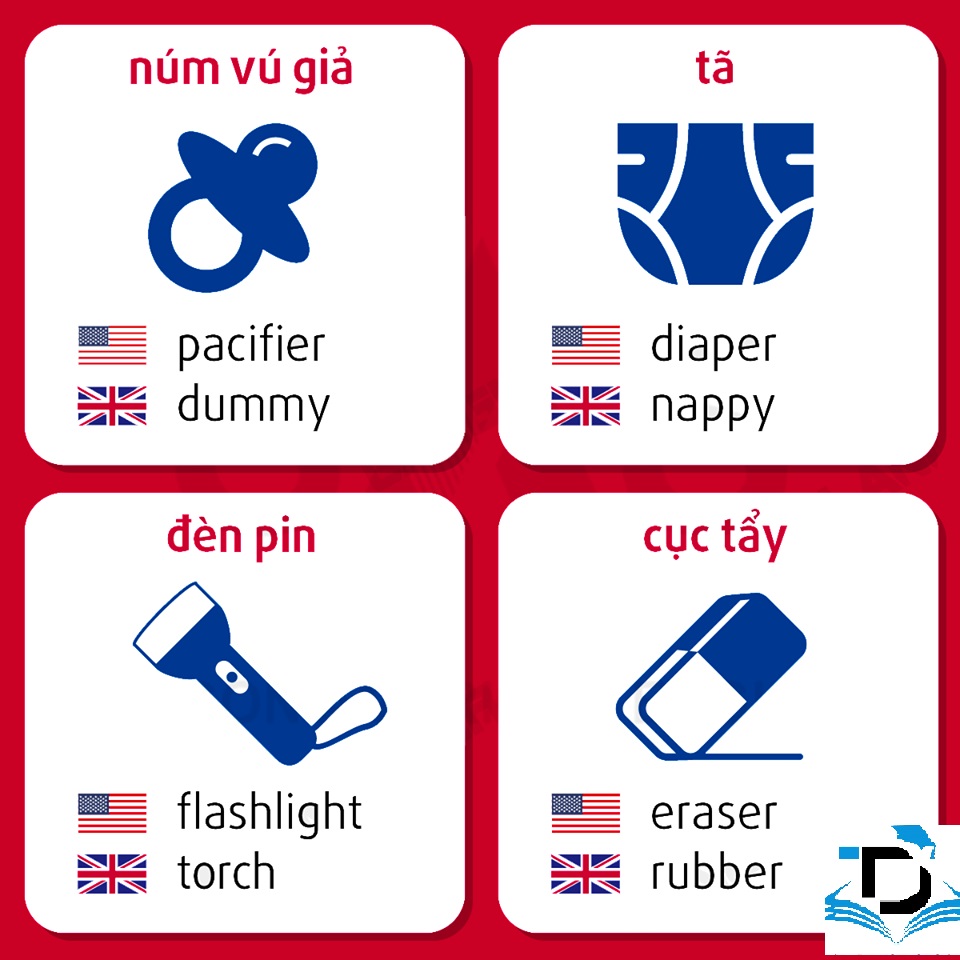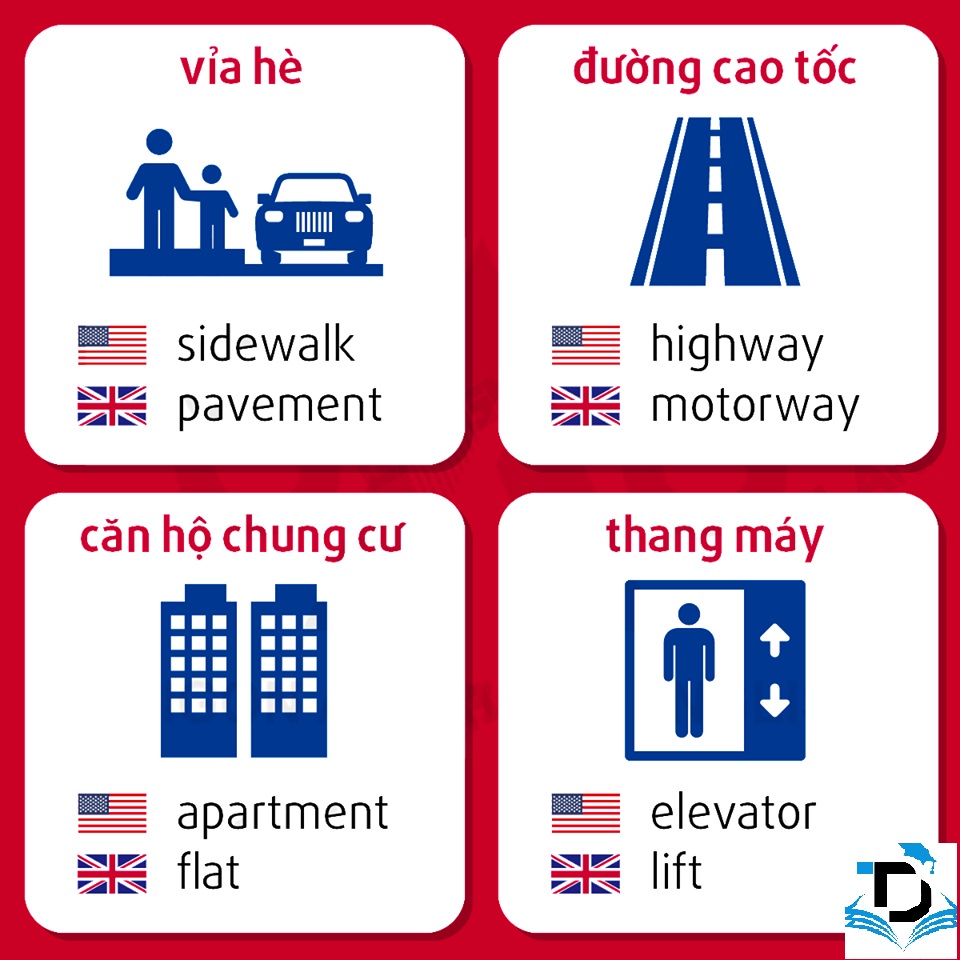
Speaking sports (part 2 &3)

IELTS Speaking Part 2: Sports Topic

Describe a sport you watched and would like to try

Cue Card Task

Describe a sport you watched and would like to try. You should say:

  • When and where you watched it
  • Why you watched it
  • Who you watched it with
  • Whether you will do it in the future
  • And explain how you felt about it

You have 1 minute to prepare and 1-2 minutes to speak.

Sample Answer (Band 8+)

One sport that I watched and would love to try is surfing. Last summer, during a trip to Hawaii, I had the opportunity to witness this thrilling sport at the annual Vans Triple Crown of Surfing competition. The event took place at the famous North Shore beaches of Oahu, and the atmosphere was nothing short of electric.

I decided to watch surfing because I have always been fascinated by the ocean and the skills required to ride the waves. The dynamic nature of the sport, combined with the picturesque Hawaiian setting, made it an irresistible attraction. Additionally, being in Hawaii, which is renowned for its rich surfing culture, I felt it was the perfect chance to experience this exhilarating sport up close.

I watched the competition with a group of friends who were also visiting Hawaii. We were all captivated by the vibrant atmosphere and the energy of the crowd. Watching the surfers perform incredible maneuvers on the waves was a truly breathtaking experience. My friends and I enjoyed analyzing the techniques of the surfers and discussing the various strategies they employed.

Watching the surfers inspired me to try surfing in the future. The way they effortlessly glided over the waves and their remarkable balance and agility left a lasting impression on me. I am planning to take some beginner surfing lessons during my next visit to the coast, as I believe it will not only be an excellent way to stay fit but also a fun and challenging new hobby.

Overall, I felt exhilarated and deeply impressed by the surfers’ abilities. Their fearless attitude and the sheer athleticism displayed during the competition were remarkable. The experience was both thrilling and humbling, and it made me appreciate the sport even more. I am eagerly looking forward to the day when I can ride the waves myself.

Tips for Band 8+: Use vivid adjectives, specific examples, and show a range of vocabulary.

Key Vocabulary for Part 2

Thrilling
Hồi hộp, kịch tính
Dynamic nature
Tính năng động
Picturesque
Đẹp như tranh
Captivated
Bị cuốn hút
Exhilarating
Phấn khích

IELTS Speaking Part 3: Sports Discussion

Follow-up Questions & Model Answers

1. Why do many people like to buy expensive sportswear for playing ball games?

Many people prefer buying expensive sportswear for playing ball games due to the superior comfort, durability, and performance-enhancing features these products offer. High-quality sportswear is often designed with advanced materials that improve breathability, flexibility, and moisture control, which can significantly enhance an athlete’s performance and overall experience.

2. What kinds of sports games do young and old people like to watch in your country?

In my country, young people generally enjoy watching fast-paced sports like football (soccer), basketball, and eSports. Older generations tend to prefer traditional sports such as tennis, golf, and cricket. However, there is a considerable overlap, and many sports attract viewers of all ages, creating a shared interest across generations.

3. Why do so many people like to watch sports games?

People enjoy watching sports games for various reasons. The excitement of competition, the display of athletic skill, and the emotional highs and lows of the game are major draws. Additionally, sports provide a sense of community and belonging, as fans come together to support their teams. For many, watching sports is also a way to relax and unwind from the stresses of daily life.

4. Do you think that international sports games are for money?

While international sports games are intended to promote unity, cultural exchange, and sportsmanship, there is no denying the significant financial aspect. Major events like the Olympics and World Cup generate enormous revenue through sponsorships, broadcasting rights, and merchandise sales. Despite the commercial interests, these events also play a crucial role in fostering international goodwill and showcasing the best of athletic talent.

5. Many advertisers like to use sports stars for endorsements. What do you think are the reasons?

Advertisers use sports stars for endorsements because they are influential figures with a wide fan base. Sports stars are often seen as role models, and their endorsement can lend credibility and appeal to a product. Additionally, associating a brand with a successful athlete can create a positive image and boost consumer trust and interest in the product.

6. Do you think sportsmen would use the sports gears promoted in the commercials?

Yes, many sportsmen do use the sports gear they promote in commercials. Often, they have a say in the design and functionality of these products, ensuring they meet their performance needs. Using the gear themselves also adds authenticity to their endorsements, reinforcing the credibility of the product to consumers.

IELTS Sports Vocabulary Summary

Key Terms for Speaking Parts 2 & 3

Part 2 Vocabulary

Thrilling Exciting, suspenseful
Dynamic nature Energetic quality
Picturesque Beautiful like a picture
Captivated Fascinated, enthralled
Exhilarating Thrilling, exciting
Maneuvers Skilled movements
Remarkable Extraordinary, notable
Fearless attitude Brave approach
Athleticism Physical prowess
Humbling Making one feel modest

Part 3 Vocabulary

Superior comfort Better comfort level
Durability Long-lasting quality
Advanced materials High-tech fabrics
Flexibility Ability to bend easily
Moisture control Sweat management
Fast-paced sports Quick, energetic games
Emotional highs and lows Exciting and sad moments
Sense of community Feeling of belonging
Commercial interests Business concerns
Role models People to look up to

Study Tips

  • Practice using these words in full sentences
  • Record yourself answering the Part 2 cue card
  • Discuss Part 3 questions with a study partner
  • Review vocabulary regularly for retention

Giải đề Nghe Cam 18 test 1

Part 1: Transport Survey
Transcript Part 1 (Click to View)

MAN: Excuse me. Would you mind if I asked you some questions? We’re doing a survey on transport.
SADIE: Yes, that’s OK.
MAN: First of all, can I take your name?
SADIE: Yes. It’s Sadie Jones.
MAN: Thanks very much. And could I have your date of birth – just the year will do, actually. Is that all right?
SADIE: Yes, that’s fine. It’s 1991.
MAN: So next your postcode, please.
SADIE: It’s DW30 7YZ.
MAN: Great. Thanks. Is that in Wells?
SADIE: No it’s actually in Harborne – Wells isn’t far from there, though.
MAN: I really like that area. My grandmother lived there when I was a kid.
SADIE: Yes, it is nice.
MAN: Right, so now I want to ask you some questions about how you travelled here today. Did you use public transport?
SADIE: Yes. I came by bus.
MAN: OK. And that was today. It’s the 24th of April, isn’t it?
SADIE: Isn’t it the 25th? No, actually, you’re right.
MAN: Ha ha. And what was the reason for your trip today? I can see you’ve got some shopping with you.
SADIE: Yes. I did some shopping but the main reason I came here was to go to the dentist.
MAN: That’s not much fun. Hope it was nothing serious.
SADIE: No, it was just a check-up. It’s fine.
MAN: Good. Do you normally travel by bus into the city centre?
SADIE: Yes. I stopped driving in ages ago because parking was so difficult to find and it costs so much.
MAN: I see.
SADIE: The bus is much more convenient too. It only takes about 30 minutes.
MAN: That’s good. So where did you start your journey?
SADIE: At the bus stop on Claxby Street.
MAN: Is that C-L-A-X-B-Y?
SADIE: That’s right.
MAN: And how satisfied with the service are you? Do you have any complaints?
SADIE: Well, as I said, it’s very convenient and quick when it’s on time, but this morning it was late. Only about 10 minutes, but still.
MAN: Yes, I understand that’s annoying. And what about the timetable? Do you have any comments about that?
SADIE: Mmm. I suppose I mainly use the bus during the day, but any time I’ve been in town in the evening – for dinner or at the cinema – I’ve noticed you have to wait a long time for a bus – there aren’t that many.
MAN: OK, thanks. So now I’d like to ask you about your car use.
SADIE: Well, I have got a car but I don’t use it that often. Mainly just to go to the supermarket. But that’s about it really. My husband uses it at the weekends to go to the golf club.
MAN: And what about a bicycle?
SADIE: I don’t actually have one at the moment.
MAN: What about the city bikes you can rent? Do you ever use those?
SADIE: No – I’m not keen on cycling there because of all the pollution. But I would like to get a bike – it would be good to use it to get to work.
MAN: So why haven’t you got one now?
SADIE: Well, I live in a flat – on the second floor and it doesn’t have any storage – so we’d have to leave it in the hall outside the flat.
MAN: I see. OK. Well, I think that’s all …

Questions 1-10: Complete the notes (One word and/or a number)
Name: Sadie Jones
Year of birth: 1991
1. Postcode:       
Show Answer DW30 7YZ
2. Date of bus journey:       
Show Answer 24 April / 24th April
3. Reason for trip: shopping and visit to the       
Show Answer dentist
4. Travelled by bus because cost of        too high
Show Answer parking
5. Got on bus at        Street
Show Answer Claxby
6. Complaints about bus service: bus today was       
Show Answer late
7. Frequency of buses in the       
Show Answer evening
8. Goes to the        by car
Show Answer supermarket
9. Dislikes travelling by bike in city centre because of       
Show Answer pollution
10. Doesn’t own a bike because of a lack of       
Show Answer storage
Part 2: Volunteering for ACE
Transcript Part 2 (Click to View)

SPEAKER: Good evening, everyone. Let me start by welcoming you all to this talk and thanking you for taking the time to consider joining ACE voluntary organisation. ACE offers support to people and services in the local area and we’re now looking for more volunteers to help us do this.
By the way, I hope you’re all comfortable – we have brought in extra seats so that no one has to stand, but it does mean that the people at the back of the room may be a bit squashed. Some of them are very close together. We’ll only be here for about half an hour so, hopefully, that’s OK.
One of the first questions we’re often asked is how old you need to be to volunteer. Well, you can be as young as 16 or you can be 60 or over; it all depends on what type of voluntary work you want to do. Other considerations, such as reliability, are crucial in voluntary work and age isn’t related to these, in our experience.
Another question we get asked relates to training. Well, there’s plenty of that and it’s all face-to-face. What’s more, training doesn’t end when you start working for us – it takes place before, during and after periods of work. Often, it’s run by other experienced volunteers as managers tend to prefer to get on with other things.
Now, I would ask you to consider a couple of important issues before you decide to apply for voluntary work. We don’t worry about why you want to be a volunteer – people have many different reasons that range from getting work experience to just doing something they’ve always wanted to do. But it is critical that you have enough hours in the day for whatever role we agree is suitable for you (Availability) – if being a volunteer becomes stressful then it’s best not to do it at all. You may think that your income is important, but we don’t ask about that. It’s up to you to decide if you can work without earning money. What we value is dedication (Commitment). Some of our most loyal volunteers earn very little themselves but still give their full energy to the work they do with us.
OK, so let’s take a look at some of the work areas that we need volunteers for and the sort of things that would help you in those.
If you enjoy working with children, we have three vacancies for what are called ‘playmates’. These volunteers help children learn about staying healthy through a range of out-of-school activities. You don’t need to have children yourself, but it’s good if you know something about nutrition (food and diet) and can give clear instructions.
If that doesn’t appeal to you, maybe you would be interested in helping out at our story club for disabled children, especially if you have done some acting (experience on stage). We put on three performances a year based on books they have read and we’re always looking for support with the theatrical side of this.
The last area I’ll mention today is first aid. Volunteers who join this group can end up teaching others in vulnerable groups who may be at risk of injury. Initially, though, your priority will be to take in a lot of information and not forget any important steps or details (good memory).
You may wish simply to help us raise money. If you have the creativity to come up with an imaginative or novel way (original, new ideas) of fundraising, we’d be delighted, as standing in the local streets or shops with a collection box can be rather boring!
One outdoor activity that we need volunteers for is litter collection and for this it’s useful if you can walk for long periods, sometimes uphill (good level of fitness). Some of our regular collectors are quite elderly, but very active and keen to protect the environment.

Questions 11-13: Choose the correct letter, A, B or C.
11. Why does the speaker apologise about the seats?
A They are too small.
B There are not enough of them.
C Some of them are very close together.
Show Answer C
12. What does the speaker say about the age of volunteers?
A The age of volunteers is less important than other factors.
B Young volunteers are less reliable than older ones.
C Most volunteers are about 60 years old.
Show Answer A
13. What does the speaker say about training?
A It is continuous.
B It is conducted by a manager.
C It takes place online.
Show Answer A
Questions 14-15: Choose TWO letters, A-E.
A. financial situation   B. level of commitment   C. work experience   D. ambition   E. availability
14 & 15. Two important issues to consider:
Show Answer B, E
Questions 16-20: Matching (Choose A-G)
A. experience on stage   B. original, new ideas   C. parenting skills   D. food and diet
E. retail experience   F. good memory   G. good level of fitness
16. Fundraising:
Show Answer B
17. Litter collection:
Show Answer G
18. ‘Playmates’:
Show Answer D
19. Story club:
Show Answer A
20. First aid:
Show Answer F
Part 3: Jobs in Fashion Design
Transcript Part 3 (Click to View)

HUGO: Hi Chantal. What did you think of the talk, then?
CHANTAL: Hi Hugo. I thought it was good once I’d moved seats.
HUGO: Oh – were the people beside you chatting or something?
CHANTAL: It wasn’t that. I went early so that I’d get a seat and not have to stand, but then this guy sat right in front of me and he was so tall! Her view of the speaker was blocked.
HUGO: It’s hard to see through people’s heads, isn’t it?
CHANTAL: Impossible! Anyway, to answer your question, I thought it was really interesting, especially what the speaker said about the job market.
HUGO: Me too. I mean we know we’re going into a really competitive field so it’s obvious that we may struggle to get work.
CHANTAL: That’s right – and we know we can’t all have that ‘dream job’.
HUGO: Yeah, but it looks like there’s a whole range of … areas of work that we hadn’t even thought of – like fashion journalism, for instance.
CHANTAL: Yeah – I wasn’t expecting so many career options.
HUGO: Mmm. Overall, she had quite a strong message, didn’t she?
CHANTAL: She did. She kept saying things like ‘I know you all think this, but …’ and then she’d tell us how it really is.
HUGO: Perhaps she thinks students are a bit narrow-minded about the industry.
CHANTAL: It was a bit harsh, though! (unfair) We know it’s a tough industry.
HUGO: Yeah – and we’re only first years, after all. We’ve got a lot to learn.
CHANTAL: Exactly. Do you think our secondary-school education should have been more career-focused?
HUGO: Well, we had numerous talks on careers, which was good, but none of them were very inspiring. They could have asked more people like today’s speaker to talk to us.
CHANTAL: I agree. We were told about lots of different careers – just when we needed to be, but not by the experts who really know stuff.
HUGO: So did today’s talk influence your thoughts on what career you’d like to take up in the future?
CHANTAL: Well, I promised myself that I’d go through this course and keep an open mind till the end.
HUGO: But I think it’s better to pick an area of the industry now and then aim to get better and better at it.
CHANTAL: Well, I think we’ll just have to differ on that issue! (when to choose)
HUGO: One thing’s for certain, though. From what she said, we’ll be unpaid assistants in the industry for quite a long time.
CHANTAL: Mmm.
HUGO: I’m prepared for that, aren’t you? He is realistic about the practice.
CHANTAL: Actually, I’m not going to accept that view.
HUGO: Really? But she knows it’s the case – and everyone else says the same.
CHANTAL: That doesn’t mean it has to be true for me.
HUGO: OK. Well – I hope you’re right!
CHANTAL: I thought the speaker’s account of her first job was fascinating.
HUGO: Yeah – she admitted she was lucky to get work being a personal dresser for a musician. She didn’t even apply for the job and there she was getting paid to choose all his clothes.
CHANTAL: It must have felt amazing – though she said all she was looking for back then was experience, not financial reward.
HUGO: Mmm. And then he was so mean, telling her she was more interested in her own appearance than his! (paying too much attention to how she looked)
CHANTAL: But – she did realise he was right about that, which really made me think. I’m always considering my own clothes but now I can see you should be focusing on your client!
HUGO: She obviously regretted losing the job.
CHANTAL: Well, as she said, she should have hidden her negative feelings about him, but she didn’t. (openly disliking her client)
HUGO: It was really brave the way she picked herself up and took that job in retail. Fancy working in a shop after that!
CHANTAL: Yeah – well, she recommended we all do it at some point. I guess as a designer you’d get to find out some useful information, like how big or small the average shopper is.
HUGO: I think that’s an issue for manufacturers, not designers. However, it would be useful to know if there’s a gap in the market – you know, an item that no one’s stocking but that consumers are looking for.
CHANTAL: Yeah, people don’t give up searching. They also take things back to the store if they aren’t right.
HUGO: Yeah. Imagine you worked in an expensive shop and you found out the garments sold there were being returned because they … fell apart in the wash!
CHANTAL: Yeah, it would be good to know that kind of thing.
HUGO: Yeah.

Questions 21-26: Choose the correct letter, A, B or C.
21. What problem did Chantal have at the start of the talk?
A Her view of the speaker was blocked.
B She was unable to find an empty seat.
C The students next to her were talking.
Show Answer A
22. What were Hugo and Chantal surprised to hear about the job market?
A It has become more competitive than it used to be.
B There is more variety in it than they had realised.
C Some areas of it are more exciting than others.
Show Answer B
23. Hugo and Chantal agree that the speaker’s message was
A unfair to them at times.
B hard for them to follow.
C critical of the industry.
Show Answer A
24. What do Hugo and Chantal criticise about their school careers advice?
A when they received the advice
B how much advice was given
C who gave the advice
Show Answer C
25. When discussing their future, Hugo and Chantal disagree on
A which is the best career in fashion.
B when to choose a career in fashion.
C why they would like a career in fashion.
Show Answer B
26. How does Hugo feel about being an unpaid assistant?
A He is realistic about the practice.
B He feels the practice is dishonest.
C He thinks others want to change the practice.
Show Answer A
Questions 27-28: Choose TWO letters, A-E.
A. being dishonest   B. paying too much attention to appearance   C. expecting fame   D. trying to earn money   E. openly disliking client
27 & 28. Two mistakes:
Show Answer B, E
Questions 29-30: Choose TWO letters, A-E.
A. reasons people return items   B. time people have to shop   C. designs people want but can’t find   D. best time of year   E. popular sizes
29 & 30. Two useful pieces of information:
Show Answer A, C
Part 4: Elephant Translocation
Transcript Part 4 (Click to View)

PRESENTER: For my presentation today I want to tell you about how groups of elephants have been moved and settled in new reserves. This is known as translocation and has been carried out in Malawi in Africa in recent years. The reason this is being done is because of overpopulation of elephants in some areas.
Overpopulation is a good problem to have and not one we tend to hear about very often. In Malawi’s Majete National Park the elephant population had been wiped out by poachers, who killed the elephants for their ivory. But in 2003, the park was restocked and effective law enforcement was introduced. Since then, not a single elephant has been poached. In this safe environment, the elephant population boomed. Breeding went so well that there were more elephants than the park could support.
This led to a number of problems. Firstly, there was more competition for food, which meant that some elephants were suffering from hunger. As there was a limit to the amount of food in the national park, some elephants began looking further afield. Elephants were routinely knocking down fences around the park, which then had to be repaired at a significant cost.
To solve this problem, the decision was made to move dozens of elephants from Majete National Park to Nkhotakota Wildlife Park, where there were no elephants. But, obviously, attempting to move significant numbers of elephants to a new home 300 kilometres away is quite a challenge.
So how did this translocation process work in practice?
Elephants were moved in groups of between eight and twenty, all belonging to one family. Because relationships are very important to elephants, they all had to be moved at the same time. A team of vets and park rangers flew over the park in helicopters and targeted a group, which were rounded up and directed to a designated open plain.
The vets then used darts to immobilise the elephants – this was a tricky manoeuvre, as they not only had to select the right dose of tranquiliser for different-sized elephants but they had to dart the elephants as they were running around. This also had to be done as quickly as possible so as to minimise the stress caused. As soon as the elephants began to flop onto the ground, the team moved in to take care of them.
To avoid the risk of suffocation, the team had to make sure none of the elephants were lying on their chests because their lungs could be crushed in this position. So all the elephants had to be placed on their sides. One person stayed with each elephant while they waited for the vets to do checks. It was very important to keep an eye on their breathing – if there were fewer than six breaths per minute, the elephant would need urgent medical attention. Collars were fitted to the matriarch in each group so their movements could be tracked in their new home. Measurements were taken of each elephant’s tusks – elephants with large tusks would be at greater risk from poachers – and also of their feet. The elephants were then taken to a recovery area before being loaded onto trucks and transported to their new home.
The elephants translocated to Nkhotakota settled in very well and the project has generally been accepted to have been a huge success – and not just for the elephants. Employment prospects have improved enormously, contributing to rising living standards for the whole community. Poaching is no longer an issue, as former poachers are able to find more reliable sources of income. In fact, many of them volunteered to give up their weapons, as they were no longer of any use to them.
More than two dozen elephants have been born at Nkhotakota since relocation. With an area of more than 1,800 square kilometres, there’s plenty of space for the elephant population to continue to grow. Their presence is also helping to rebalance Nkhotakota’s damaged ecosystem and providing a sustainable conservation model, which could be replicated in other parks. All this has been a big draw for tourism, which contributes five times more than the illegal wildlife trade to GDP, and this is mainly because of the elephants. There’s also been a dramatic rise…

Questions 31-40: Complete the notes (One word only)
31. Damage to        in the park
Show Answer fences
32. Group of elephants from the same        selected
Show Answer family
33. Vets made use of        to guide elephants
Show Answer helicopters
34. Done quickly to reduce       
Show Answer stress
35. Elephants turned on their        to avoid lung damage
Show Answer sides
36. Elephants’        monitored constantly
Show Answer breathing
37. Data including size of tusks and        was taken
Show Answer feet
38.        opportunities
Show Answer employment
39. Reduction in poachers and       
Show Answer weapons
40. Increase in        as contributor to GDP
Show Answer tourism

Đáp án Reading Cambridge 18 Test 1 passge 2

Reading Passage 2: Forest management in Pennsylvania, USA

How managing low-quality wood (also known as low-use wood) for bioenergy can encourage sustainable forest management

A A tree’s ‘value’ depends on several factors including its species, size, form, condition, quality, function, and accessibility, and depends on the management goals for a given forest. The same tree can be valued very differently by each person who looks at it. A large, straight black cherry tree has high value as timber to be cut into logs or made into furniture, but for a landowner more interested in wildlife habitat, the real value of that stem (or trunk) may be the food it provides to animals. Likewise, if the tree suffers from black knot disease, its value for timber decreases, but to a woodworker interested in making bowls, it brings an opportunity for a unique and beautiful piece of art.

B In the past, Pennsylvania landowners were solely interested in the value of their trees as high-quality timber. The norm was to remove the stems of highest quality and leave behind poorly formed trees that were not as well suited to the site where they grew. This practice, called ‘high-grading’, has left a legacy of ‘low-use wood’ in the forests. Some people even call these ‘junk trees’, and they are abundant in Pennsylvania. These trees have lower economic value for traditional timber markets, compete for growth with higher-value trees, shade out desirable regeneration and decrease the health of a stand* leaving it more vulnerable to poor weather and disease. Management that specifically targets low-use wood can help landowners manage these forest health issues, and wood energy markets help promote this.

C Wood energy markets can accept less expensive wood material of lower quality than would be suitable for traditional timber markets. Most wood used for energy in Pennsylvania is used to produce heat or electricity through combustion. Many schools and hospitals use wood boiler systems to heat and power their facilities, many homes are primarily heated with wood, and some coal plants incorporate wood into their coal streams to produce electricity. Wood can also be gasified for electrical generation and can even be made into liquid fuels like ethanol and gasoline for lorries and cars. All these products are made primarily from low-use wood. Several tree- and plant-cutting approaches, which could greatly improve the long-term quality of a forest, focus strongly or solely on the use of wood for those markets.

D One such approach is called a Timber Stand Improvement (TSI) Cut. In a TSI Cut, really poor-quality tree and plant material is cut down to allow more space, light, and other resources to the highest-valued stems that remain. Removing invasive plants might be another primary goal of a TSI Cut. The stems that are left behind might then grow in size and develop more foliage and larger crowns or tops that produce more coverage for wildlife; they have a better chance to regenerate in a less crowded environment. TSI Cuts can be tailored to one farmer’s specific management goals for his or her land.

E Another approach that might yield a high amount of low-use wood is a Salvage Cut. With the many pests and pathogens visiting forests including hemlock wooly adelgid, Asian longhorned beetle, emerald ash borer, and gypsy moth, to name just a few, it is important to remember that those working in the forests can help ease these issues through cutting procedures. These types of cut reduce the number of sick trees and seek to manage the future spread of a pest problem. They leave vigorous trees that have stayed healthy enough to survive the outbreak.

F A Shelterwood Cut, which only takes place in a mature forest that has already been thinned several times, involves removing all the mature trees when other seedlings have become established. This then allows the forester to decide which tree species are regenerated. It leaves a young forest where all trees are at a similar point in their growth. It can also be used to develop a two-tier forest so that there are two harvests and the money that comes in is spread out over a decade or more.

G Thinnings and dense and dead wood removal for fire prevention also center on the production of low-use wood. However, it is important to remember that some retention of what many would classify as low-use wood is very important. The tops of trees that have been cut down should be left on the site so that their nutrients cycle back into the soil. In addition, trees with many cavities are extremely important habitats for insect predators like woodpeckers, bats and small mammals. They help control problem insects and increase the health and resilience of the forest. It is also important to remember that not all small trees are low-use. For example, many species like hawthorn provide food for wildlife. Finally, rare species of trees in a forest should also stay behind as they add to its structural diversity.
Questions 14-18: Matching Information

Reading Passage 2 has seven paragraphs, A–G. Which paragraph contains the following information?

  1. Bad outcomes for a forest when people focus only on its financial reward
    Xem đáp án & Giải thích

    Đáp án: B
    Vị trí: Đoạn B.
    Giải thích: Đoạn B nói về việc trước đây người ta chỉ quan tâm đến “value… as high-quality timber” (lợi ích tài chính). Kết quả xấu (bad outcomes) là để lại “junk trees”, làm “decrease the health of a stand” và khiến nó “vulnerable to poor weather and disease”.

  2. Reference to the aspects of any tree that contribute to its worth
    Xem đáp án & Giải thích

    Đáp án: A
    Vị trí: Đoạn A.
    Giải thích: Câu đầu tiên đoạn A liệt kê các yếu tố quyết định giá trị (worth/value) của cây: “species, size, form, condition, quality, function, and accessibility”.

  3. Mention of the potential use of wood to help run vehicles
    Xem đáp án & Giải thích

    Đáp án: C
    Vị trí: Đoạn C.
    Giải thích: Đoạn C đề cập đến việc gỗ có thể chuyển thành “liquid fuels like ethanol and gasoline for lorries and cars” (nhiên liệu lỏng… cho xe tải và ô tô – run vehicles).

  4. Examples of insects that attack trees
    Xem đáp án & Giải thích

    Đáp án: E
    Vị trí: Đoạn E.
    Giải thích: Đoạn E liệt kê các loại sâu bệnh (pests) như “hemlock wooly adelgid, Asian longhorned beetle…”. Đây là các ví dụ về côn trùng tấn công cây.

  5. An alternative name for trees that produce low-use wood
    Xem đáp án & Giải thích

    Đáp án: B
    Vị trí: Đoạn B.
    Giải thích: Đoạn B nói rằng: “Some people even call these ‘junk trees'”. “Junk trees” là tên gọi thay thế cho những cây tạo ra low-use wood.

Questions 19-21: Matching Features

Look at the following purposes (Questions 19–21) and the list of timber cuts below. Match each purpose with the correct timber cut, A, B or C.

List of Timber Cuts
A. a TSI Cut
B. a Salvage Cut
C. a Shelterwood Cut
  1. To remove trees that are diseased
    Xem đáp án & Giải thích

    Đáp án: B (a Salvage Cut)
    Vị trí: Đoạn E.
    Giải thích: Đoạn E mô tả Salvage Cut giúp “reduce the number of sick trees” (loại bỏ cây bị bệnh/diseased) để quản lý sự lây lan của sâu bệnh.

  2. To generate income across a number of years
    Xem đáp án & Giải thích

    Đáp án: C (a Shelterwood Cut)
    Vị trí: Đoạn F.
    Giải thích: Đoạn F nói về Shelterwood Cut có thể tạo ra hai vụ thu hoạch (two harvests) và tiền thu được sẽ “spread out over a decade or more” (trải dài hơn một thập kỷ).

  3. To create a forest whose trees are close in age
    Xem đáp án & Giải thích

    Đáp án: C (a Shelterwood Cut)
    Vị trí: Đoạn F.
    Giải thích: Đoạn F nói Shelterwood Cut để lại một khu rừng non nơi “all trees are at a similar point in their growth” (tất cả cây đều ở cùng điểm phát triển = gần bằng tuổi nhau).

Questions 22-26: Sentence Completion
Complete the sentences below. Choose ONE WORD ONLY from the passage for each answer.

  1. Some dead wood is removed to avoid the possibility of ______.
    Xem đáp án & Giải thích

    Đáp án: fire
    Vị trí: Đoạn G (câu đầu tiên).
    Giải thích: “Thinnings and dense and dead wood removal for fire prevention…” (loại bỏ gỗ chết để phòng cháy).

  2. The ______ from the tops of cut trees can help improve soil quality.
    Xem đáp án & Giải thích

    Đáp án: nutrients
    Vị trí: Đoạn G.
    Giải thích: “…tops of trees… should be left on the site so that their nutrients cycle back into the soil.”

  3. Some damaged trees should be left, as their ______ provide habitats for a range of creatures.
    Xem đáp án & Giải thích

    Đáp án: cavities
    Vị trí: Đoạn G.
    Giải thích: “…trees with many cavities are extremely important habitats for insect predators…”

  4. Some trees that are small, such as ______, are a source of food for animals and insects.
    Xem đáp án & Giải thích

    Đáp án: hawthorn
    Vị trí: Đoạn G.
    Giải thích: “For example, many species like hawthorn provide food for wildlife.”

  5. Any trees that are ______ should be left to grow, as they add to the variety of species in the forest.
    Xem đáp án & Giải thích

    Đáp án: rare
    Vị trí: Đoạn G (câu cuối).
    Giải thích: “…rare species of trees in a forest should also stay behind as they add to its structural diversity.” (Variety tương ứng với diversity).

Giải đề reading Cambridge 18 test 1 passage 1

Reading Passage 1: Urban Farming

In Paris, urban farmers are trying a soil-free approach to agriculture that uses less space and fewer resources. Could it help cities face the threats to our food supplies?

On top of a striking new exhibition hall in southern Paris, the world’s largest urban rooftop farm has started to bear fruit. Strawberries that are small, intensely flavoured and resplendently red sprout abundantly from large plastic tubes. Peer inside and you see the tubes are completely hollow, the roots of dozens of strawberry plants dangling down inside them. From identical vertical tubes nearby burst row upon row of lettuces; near those are aromatic herbs, such as basil, sage and peppermint. Opposite, in narrow, horizontal trays packed not with soil but with coconut fibre, grow cherry tomatoes, shiny aubergines and brightly coloured chards.
Pascal Hardy, an engineer and sustainable development consultant, began experimenting with vertical farming and aeroponic growing towers – as the soil-free plastic tubes are known – on his Paris apartment block roof five years ago. The urban rooftop space above the exhibition hall is somewhat bigger: 14,000 square metres and almost exactly the size of a couple of football pitches. Already, the team of young urban farmers who tend it have picked, in one day, 3,000 lettuces and 150 punnets of strawberries. When the remaining two thirds of the vast open area are in production, 20 staff will harvest up to 1,000 kg of perhaps 35 different varieties of fruit and vegetables, every day. ‘We’re not ever, obviously, going to feed the whole city this way,’ cautions Hardy. ‘In the urban environment you’re working with very significant practical constraints, clearly, on what you can do and where. But if enough unused space can be developed like this, there’s no reason why you shouldn’t eventually target maybe between 5% and 10% of consumption.’

Perhaps most significantly, however, this is a real-life showcase for the work of Hardy’s flourishing urban agriculture consultancy, Agripolis, which is currently fielding enquiries from around the world to design, build and equip a new breed of soil-free inner-city farm. ‘The method’s advantages are many,’ he says. ‘First, I don’t much like the fact that most of the fruit and vegetables we eat have been treated with something like 17 different pesticides, or that the intensive farming techniques that produced them are such huge generators of greenhouse gases. I don’t much like the fact, either, that they’ve travelled an average of 2,000 refrigerated kilometres to my plate, that their quality is so poor, because the varieties are selected for their capacity to withstand such substantial journeys, or that 80% of the price I pay goes to wholesalers and transport companies, not the producers.’

‘Produce grown using this soil-free method, on the other hand – which relies solely on a small quantity of water, enriched with organic nutrients, pumped around a closed circuit of pipes, towers and trays – is ‘produced up here, and sold locally, just down there. It barely travels at all,’ Hardy says. ‘You can select crop varieties for their flavour, not their resistance to the transport and storage chain, and you can pick them when they’re really at their best, and not before.’ No soil is exhausted, and the water that gently showers the plants’ roots every 12 minutes is recycled, so the method uses 90% less water than a classic intensive farm for the same yield.

Urban farming is not, of course, a new phenomenon. Inner-city agriculture is booming from Shanghai to Detroit and Tokyo to Bangkok. Strawberries are being grown in disused shipping containers, mushrooms in underground carparks. Aeroponic farming, he says, is ‘virtuous’. The equipment weighs little, can be installed on almost any flat surface and is cheap to buy: roughly €100 to €150 per square metre. It is cheap to run, too, consuming a tiny fraction of the electricity used by some techniques.

Produce grown this way typically sells at prices that, while generally higher than those of classic intensive agriculture, are lower than soil-based organic growers. There are limits to what farmers can grow this way, of course, and much of the produce is suited to the summer months. ‘Root vegetables we cannot do, at least not yet,’ he says. ‘Radishes are OK, but carrots, potatoes, that kind of thing – the roots are simply too long. Fruit trees are obviously not an option. And beans tend to take up a lot of space for not much return.’ Nevertheless, urban farming of the kind being practised in Paris is one part of a bigger and fast-changing picture that is bringing food production closer to our lives.

Questions 1-3: Sentence Completion

Complete the sentences below. Choose NO MORE THAN TWO WORDS AND/OR A NUMBER from the passage for each answer.

  1. Vertical tubes are used to grow strawberries, ______ and herbs.
    Xem đáp án & Giải thích

    Đáp án: lettuces
    Vị trí: Đoạn 2: “From identical vertical tubes nearby burst row upon row of lettuces…”
    Giải thích: Bài đọc liệt kê các loại cây trồng trong ống thẳng đứng (vertical tubes) gồm strawberries, herbs và “lettuces”.

  2. There will eventually be a daily harvest of as much as ______ in weight of fruit and vegetables.
    Xem đáp án & Giải thích

    Đáp án: 1,000 kg
    Vị trí: Đoạn 3: “…20 staff will harvest up to 1,000 kg of perhaps 35 different varieties…”
    Giải thích: Cụm từ “daily harvest” tương ứng với “harvest… every day” trong bài. Trọng lượng được đề cập là 1,000 kg.

  3. It may be possible that the farm’s produce will account for as much as 10% of the city’s ______ overall.
    Xem đáp án & Giải thích

    Đáp án: consumption / food consumption
    Vị trí: Đoạn 3: “…target maybe between 5% and 10% of consumption.”
    Giải thích: Bài đọc nói về mục tiêu cung cấp (target) khoảng 10% lượng tiêu thụ (consumption) của thành phố.

Questions 4-7: Table Completion

Complete the table below. Choose ONE WORD ONLY from the passage for each answer.

Intensive farming Aeroponic urban farming
– wide range of (4) ______ used
– quality not good
– (6) ______ receive very little of overall income
– techniques pollute air
– varieties chosen that can survive long (5) ______
– no soil used
– produce chosen because of its (7) ______
  1. Đáp án câu 4

    Đáp án: pesticides
    Vị trí: Đoạn 4: “…treated with something like 17 different pesticides…”
    Giải thích: “Wide range” tương ứng với “17 different”. Thứ được sử dụng là thuốc trừ sâu (pesticides).

  2. Đáp án câu 5

    Đáp án: journeys
    Vị trí: Đoạn 4: “…withstand such substantial journeys…”
    Giải thích: “Survive long” tương ứng với “withstand such substantial”. Từ cần điền là journeys.

  3. Đáp án câu 6

    Đáp án: producers
    Vị trí: Đoạn 4: “…80% of the price I pay goes to wholesalers… not the producers.”
    Giải thích: Bài viết nói phần lớn tiền không đến tay “producers” (nhà sản xuất), tức là họ nhận được rất ít (receive very little).

  4. Đáp án câu 7

    Đáp án: flavour / flavor
    Vị trí: Đoạn 5: “You can select crop varieties for their flavour…”
    Giải thích: Đối với phương pháp Aeroponic, giống cây được chọn dựa trên hương vị (flavour) chứ không phải khả năng chịu vận chuyển.

Questions 8-13: True / False / Not Given
  1. Urban farming can take place above or below ground.
    Xem đáp án & Giải thích

    Đáp án: TRUE
    Vị trí: Đoạn 6: “Strawberries are being grown in disused shipping containers, mushrooms in underground carparks.”
    Giải thích: Bài đọc đề cập việc trồng trên mái nhà (above ground) ở đoạn đầu và nấm trồng ở “underground carparks” (below ground) ở đoạn 6. Thông tin khớp hoàn toàn.

  2. Some of the equipment used in aeroponic farming can be made by hand.
    Xem đáp án & Giải thích

    Đáp án: NOT GIVEN
    Vị trí: Đoạn 6: “The equipment weighs little… and is cheap to buy…”
    Giải thích: Bài đọc có nhắc đến thiết bị (equipment) nhẹ và rẻ, nhưng không có thông tin nào nói về việc làm thủ công (made by hand).

  3. Urban farming relies more on electricity than some other types of farming.
    Xem đáp án & Giải thích

    Đáp án: FALSE
    Vị trí: Đoạn 6: “…consuming a tiny fraction of the electricity used by some techniques.”
    Giải thích: Bài đọc nói nó tiêu thụ một lượng điện rất nhỏ (tiny fraction) so với các kỹ thuật khác, trái ngược với “relies more” (phụ thuộc nhiều hơn) trong câu hỏi.

  4. Fruit and vegetables grown on an aeroponic urban farm are cheaper than traditionally grown organic produce.
    Xem đáp án & Giải thích

    Đáp án: TRUE
    Vị trí: Đoạn 7: “…prices that… are lower than soil-based organic growers.”
    Giải thích: Bài đọc xác nhận giá bán thấp hơn (lower) so với sản phẩm hữu cơ trồng trên đất (soil-based organic).

  5. Most produce can be grown on an aeroponic urban farm at any time of the year.
    Xem đáp án & Giải thích

    Đáp án: FALSE
    Vị trí: Đoạn 7: “…much of the produce is suited to the summer months.”
    Giải thích: Bài đọc nói phần lớn sản phẩm phù hợp với các tháng mùa hè (summer months), trái ngược với “any time of the year” (bất kỳ thời điểm nào trong năm).

  6. Beans take longer to grow on an urban farm than other vegetables.
    Xem đáp án & Giải thích

    Đáp án: NOT GIVEN
    Vị trí: Đoạn 7: “And beans tend to take up a lot of space for not much return.”
    Giải thích: Bài đọc có nhắc đến đậu (beans) nhưng lý do không trồng là vì tốn diện tích (space) và lợi nhuận thấp (not much return), không hề nhắc đến thời gian trồng lâu hay mau (take longer).

Cuộc Thi Speaking Tiếng Anh – Tri Duc English

Chào các bạn học viên yêu quý của Trung Tâm Tri Duc English! Chúng tôi tự hào thông báo về cuộc thi Speaking Tiếng Anh sôi động dành cho các bạn. Với mục tiêu nâng cao kỹ năng ielts speaking của mọi người, cuộc thi này không chỉ là cơ hội để thể hiện bản thân mà còn là dịp để tiến bộ hơn trong việc nói tiếng Anh.

Thể Lệ Cuộc Thi:

• Cuộc thi bắt đầu từ ngày 3/4 và kết thúc vào ngày 3/5.
• Hoàn thành ghi âm theo mẫu có sẵn của 15 chủ đề trong vòng 30 ngày.
• Mỗi chủ đề được giao sẽ có thời gian 2 ngày để hoàn thành.
• Bài nói sẽ được đánh giá dựa trên các tiêu chí: trôi chảy, độ chính xác phát âm, trọng âm, giai điệu, và ngắt nghỉ.

Phần Thưởng:

• Giải nhất: 500.000 VND
• Giải nhì: 300.000 VND
• Giải ba: 200.000 VND

Cách Tham Gia:

  1. Học viên của Trung Tâm Tri Duc English tham gia nhóm Zalo https://zalo.me/g/qampdx650 để đăng ký và nhận việc.
  2. Sau khi ghi âm, học viên nộp bài trên trang web https://bit.ly/triduc-speakingcontest (quét mã ảnh dưới, yêu cầu có tài khoản, sau khi đăng nhập chọn enrol/ghi danh).
  3. Quay lại nhóm Zalo để xác nhận việc hoàn thành.

Cuộc thi sẽ công bố người chiến thắng dựa trên số lượng bài nộp và chất lượng bài nói. Hãy tham gia để có cơ hội rinh về phần thưởng hấp dẫn và trải nghiệm học tiếng Anh thú vị cùng Tri Duc English!

link nộp bài
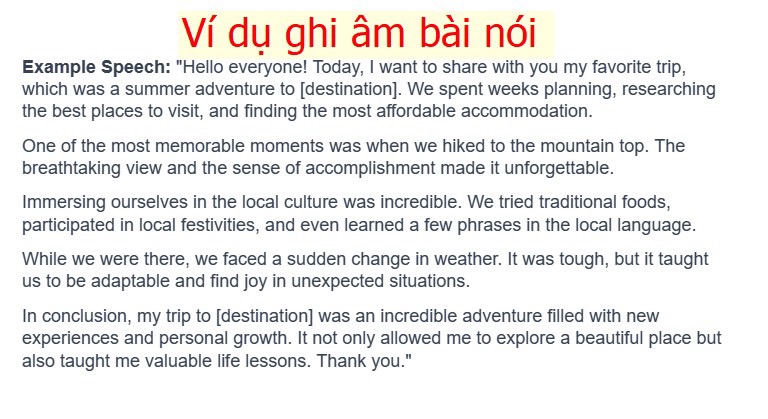
Ví dụ bài ghi âm

LỖI THƯỜNG GẶP TRONG BÀI THI IELTS SPEAKING.

1.LỖI IM LẶNG TRONG IELTS SPEAKING
Với những người bản ngữ, sự nhẫn nại của họ là rất thấp, vì vậy đừng để giám khảo chờ đợi câu trả lời của bạn quá lâu. Đương nhiên bạn có thể ngập ngừng một đôi giây trước khi nói, hoặc khi tạm ngưng giữa các ý tưởng, nhưng việc im lặng tới quá 5 giây trong thời gian trả lời câu hỏi của mình sẽ khiến điểm số của bạn bị ảnh hưởng không nhỏ.
Luôn luôn có “mẹo” để giúp bạn tranh thủ thêm thời gian suy nghĩ cho mình: hãy trang bị một vài cách mở đầu sau để sử dụng:
-That’s a tough/ difficult question. Let me think for a second/ moment
-That’s a very interesting question. Let me see…
-It’s very difficult to know exactly, but perhaps…
Chú ý không nên lạm dụng những mẫu câu này. Bạn chỉ nên sử dụng chúng tối đa 1-2 lần trong toàn bộ phần thi nói mà thôi.
2. LỖI PHÁT ÂM
Những ý tưởng, luận điểm dù có hay tới đâu cũng sẽ trở nên vô dụng nếu như giám khảo không thể hiểu được những từ ngữ bạn sử dụng. Khả năng phát âm là điều cơ bản đối với giao tiếp bằng lời, vì vậy mà điểm cho kỹ năng này chiếm tới 25% tổng tiêu chí điểm cho bài thi IELTS Speaking. Trước khi tham gia thi IELTS, hãy tìm cơ hội trò chuyện cùng người từ các nước nói tiếng Anh và đề nghị họ cho nhận xét khách quan về phát âm tiếng Anh của bạn. Nếu họ gặp khó khăn trong việc nghe hiểu lời bạn nói, giám khảo cũng sẽ có thể thấy điều tương tự.
3.LẶP LẠI MỘT TỪ VỰNG QUÁ NHIỀU LẦN
Nhiều thí sinh thường lặp lại một từ vựng quá nhiều lần hoặc ‘lấy cắp’ luôn từ vựng từ câu hỏi của giám khảo. Điều này sẽ không được giám khảo đánh giá cao, thậm chí bạn sẽ bị trừ điểm vì vốn từ nghèo nàn của mình. Thay vào đó, để ăn điểm phần ‘Lexical resources’, bạn hãy sử dụng các từ vựng đồng nghĩa (synonyms) nhé..
Example: Do you spend enough time doing outdoor activities?
Thay vì nói
I don’t have enough time to do outdoor activities.
Hãy nói
I don’t have enough time to participate in physical activities. hoặc
My busy schedule limits my participation in physical exercises.
Đáp án A :
Sử dụng từ ‘physical activities’ để thay thế cho từ ‘outdoor activities’ và từ ‘participate’ để thay cho từ ‘do’.
Hoặc bạn có thể kết hợp nhiều kỹ thuật cùng một lúc như đáp án B:
Thay đổi chủ ngữ thành ‘my busy schedule’
Sử dụng từ đồng nghĩa ‘participation’ và ‘physical exercises’

LỖI THƯỜNG GẶP TRONG BÀI THI IELTS SPEAKING.

4. LẶP LẠI CẤU TRÚC NGỮ PHÁP CỦA CÂU HỎI
Một lỗi sai phổ biến khác của các thí sinh IELTS đó là lặp lại cấu trúc ngữ pháp của câu hỏi. Để tránh tình trạng này, các bạn hãy sử dụng kỹ năng paraphrase lại câu hỏi.
Example: Why people find it hard to get a job after graduating?
Thay vì nói:
People find it hard to get a job because….
Hãy dùng cấu trúc khác:
→ It is not be easy for people to seek a job after graduating because …..

5. HAI LỖI LÀM GIẢM ĐIỂM “Fluency & Coherence”
5.1.Lỗi ừm, ah
Bạn có thể hạn chế lỗi này bằng cách luyện tập thật nhiều để tăng độ trôi chảy hoặc sử dụng các filler Tiếng Anh (xem mục 4.2)

5.2.Thiếu filler
Filler chính là các từ lấp chỗ trống trong Tiếng Anh như: well, you know, like, I mean …. Việc sử dụng filler khi thi nói là điều không thể thiếu để câu trả lời của bạn thêm phần tự nhiên, bởi người bản địa cũng thường xuyên sử dụng các filler trong giao tiếp hàng ngày.
Ví dụ:
What do you think ‘patience’ is?
Well, you know, patience is the ability to stay calm in difficult situations or spend a lot of time and effort to accomplish a task with great care and attention.

6. LẠC ĐỀ TRONG IELTS SPEAKING
Lỗi này cực kỳ nguy hiểm bởi vì điều này thể hiện bạn không hiểu câu hỏi và coi như bạn đã mất điểm câu đó rồi. Vì vậy, nếu không hiểu câu hỏi hoặc nghe chưa rõ, hãy hỏi lại một cách lịch sự kèm theo một nụ cười nhé. Ngoài ra nếu bạn nói nhiều mà không đi vào trọng tâm cũng sẽ không ghi được điểm từ giám khảo. Ví dụ câu dẫn dắt quá dài nhưng phần nội dung chính không có gì đáng chú ý sẽ khiến giám khảo mất hứng thú. Các mẹo sau sẽ giúp bạn tránh lỗi này nhé:
Thứ nhất, bạn phải hiểu câu hỏi để tránh trả lời lạc đề.
Thứ hai, bạn phải thật ý thức mình đang trả lời những nội dung có đúng trọng tâm câu hỏi hay không chứ không cố gắng trả lời dài, lan man. Hãy sử dụng các cụm từ dẫn dắt, nối câu để câu trả lời súc tích. Để thêm điểm, bạn nên lấy ví dụ minh họa câu trả lời của mình.
7.THÌ CỦA ĐỘNG TỪ
Đây cũng là một trong các lỗi các bạn thường gặp. Lỗi này thường là do bạn không nghe rõ câu hỏi, ví dụ câu hỏi tại thì quá khứ đơn nhưng câu trả lời lại toàn trả lời ở hiện tại đơn. Lý do không kiểm soát được câu trả lời và thói quen câu trả lời lúc nào cũng dùng thì hiện tại đơn là nguyên nhân chính gây ra lỗi này.
Chú ý dùng đúng thì (có 4 thì chính thường dùng trong speaking: “Simple Present, Past, Future, Present Perfect”, thi thoảng có thể có thêm Past Continuous, Past Perfect)
Chú ý chia đúng số ít, số nhiều và phải phát âm “s” ra.

8. KHÔNG CÓ NGỮ ĐIỆU
Ngữ điệu (intonation) là các cách lên, xuống giọng, nhấn nhá trong khi bạn nói. Chúng khiến cho lời nói của bạn thêm tự nhiên và lôi cuốn hơn, cũng như khiến người nghe dễ nắm được trọng tâm của câu nói (chúng ta thường nhấn mạnh, hoặc lên giọng khi nói đến những từ khóa).
Kể cả khi bạn phát âm các từ rõ ràng, ngữ điệu đều đều sẽ khiến người nghe khó theo được bạn đang nói tới đâu. Hãy nhớ thay đổi ngữ điệu, âm độ, âm lượng và tốc độ khi nói để luôn giữ được sự chú tâm của người nghe vào những luận điểm quan trọng mà bạn đưa ra.

9. NÓI QUÁ NHIỀU HOẶC QUÁ ÍT
Nếu bạn nói quá ít, bạn sẽ bỏ lỡ cơ hội thể hiện hết khả năng tiếng Anh của mình. Nếu bạn nói quá nhiều, khả năng câu trả lời của bạn bị lê thê, thiếu mạch lạc và đi xa khỏi chủ đề chính sẽ tăng thêm, chưa kể tới việc bạn có thể sẽ mắc nhiều lỗi hơn.
Gợi ý chung cho bạn: 2-4 câu cho mỗi câu hỏi ở Part 1 là vừa đủ. Part 2 của bài thi Speaking đã có sẵn giới hạn thời gian, và bạn nên cố gắng nói từ 3 tới 6 câu đối với mỗi câu hỏi trong Part 3.

10. NÓI CÂU “ I DON’T UNDERSTAND”
Sẽ có rất nhiều cách tốt hơn nhiều để bạn làm rõ nghĩa câu hỏi, vì vậy hãy học chúng ngay thay vì chỉ nói “Tôi không biết”! Bạn có thể đưa ra đề nghị làm rõ câu hỏi một cách trực tiếp, chẳng hạn :“Could you say that again, please?” (Bạn có thể nhắc lại câu hỏi được không?), hoặc kiểm tra xem mình có hiểu đúng câu hỏi không :“Do you mean…?” (Có phải ý bạn là…?) – điều này thể hiện ít nhất bạn vẫn phần nào hiểu câu hỏi.

11. QUÁ LẠM DỤNG TỪ NỐI
Việc đưa các từ nối, hay liên từ (ví dụ: however, for example, on the other hand, first, v.v. ) vào trong câu trả lời sẽ giúp cho các câu nói của chúng ta có liên kết chặt chẽ, logic hơn. Tuy nhiên, nếu mật độ các từ nối này quá dày đặc, bạn cũng có thể sẽ mất điểm.
Việc cố nhồi nhét thật nhiều liên từ sẽ khiến câu trả lời của bạn nghe cứng nhắc như robot, chứ không còn độ tự nhiên – một điều quan trọng trong IELTS Speaking. Thêm vào đó, hãy lưu ý rằng có nhiều liên từ mang tính chất trang trọng và thường được dùng trong văn viết thay vì văn nói, chẳng hạn như: furthermore, moreover hay in addition. Việc đưa chúng vào trong câu trả lời sẽ khiến câu nói của bạn kém tự nhiên.

12. HỌC THUỘC LÒNG CÂU HỎI
Giám khảo đủ kinh nghiệm và tinh tế để nhận ra nếu bạn đang cố bắt chước lại một câu trả lời mẫu mà bạn nhớ hoặc đã học thuộc, và dĩ nhiên họ sẽ trừ điểm của bạn. Các dấu hiệu của câu trả lời được thuộc lòng bao gồm: sử dụng ngôn ngữ “viết văn”, ngữ điệu thiếu tự nhiên, nói nhanh và đều đều như máy, hoặc cố gắng “lái” câu hỏi về những nội dung họ muốn trả lời.
Lượng chủ đề có thể được hỏi trong IELTS Speaking là rất lớn và khả năng “trúng tủ” là rất ít. Vì vậy, sẽ tốt hơn nhiều nếu bạn luyện nói về thật nhiều các chủ đề đa dạng trước khi tham gia kỳ thi.

Nguồn: Sưu tầm.

CÁCH VIẾT CV TIẾNG ANH CHINH PHỤC MỌI NHÀ TUYỂN DỤNG.

I:TÌM HIỂU VÀ LÊN Ý TƯỞNG CHO CV.
Hiểu rõ công việc bạn muốn ứng tuyển.
1. What does the company do?
Công ty đó kinh doanh về lĩnh vực gì?
2. What is their mission statement?
Tuyên bố sứ mệnh của họ là gì?
3. What do you think they are looking for in an employee?
Bạn nghĩ họ đang tìm kiếm điều gì ở nhân viên?
4. What skills does the specific job you are applying for require?
Những kỹ năng chuyên môn và công việc yêu cầu là gì?
 Kiểm tra website công ty để thêm thông tin cho CV.
Bạn có thể tìm hiểu kỹ hơn nhờ vào những thông tin chi tiết trên website công ty. Từ đó bạn sẽ nắm được đặc trưng của công ty để liệt kê những điểm trong CV nhằm gây ấn tượng với nhà tuyển dụng.
Nắm vững thông tin cơ bản.
1. Personal Detail/Information (thông tin cá nhân).
– Full name: Họ tên.
– Date of birth: Ngày tháng năm sinh
– Address: Địa chỉ.
– Phone number: Số điện thoại.
– Email.
2. Career Objective (mục tiêu nghề nghiệp).
Đây là một lời quảng cáo về bản thân giúp bạn gây ấn tượng với các nhà tuyển dụng. Bạn nên chia phần này thành các mục rõ ràng như sau:
– Giới thiệu về kinh nghiệm (experience) và trình độ cá nhân (education).
– Đưa ra mục tiêu ngắn hạn (short target).
– Đưa ra mục tiêu dài hạn (long target).
3. Education and Qualifications (trình độ học vấn và bằng cấp).
Phần này nên viết ngắn gọn và rõ ràng:
– Tên trường đã học (university, college…).
– Chuyên ngành của bạn (major).
– Các chứng chỉ liên quan (certificate).
– Điểm GPA.
4. Work Experience (kinh nghiệm làm việc).
– Trong CV xin việc bằng tiếng Anh bạn hãy tỏ ra chuyên nghiệp bằng cách sử dụng các từ như: developed, planned hoặc organized…
– Cần liệt kê thứ tự công việc từ hiện tại trở về trước.
– Nếu nhảy việc nhiều thì bạn hãy chọn lọc những công việc nào có kỹ năng gần nhất với công việc đang ứng tuyển. Cố gắng chọn những công việc liên quan tới kĩ năng mà công việc bạn đang ứng tuyển đòi hỏi như: numeracy (tính toán), analytical and problem solving skills (kỹ năng phân tích và giải quyết vấn đề), persuading and negotiating skills (kỹ năng thuyết phục và đàm phán)…
5. Interests and Archievements.
– Viết đủ và ngắn gọn.
– Gạch đầu dòng rõ ràng khi liệt kê các sở thích khác nhau.
– Hạn chế sử dụng các sở thích thiếu tương tác giữa người với người như: watching TV, reading, stamp collecting…
– Đưa ra các hoạt động ngoại khóa thiết thực mà bạn đã tham gia.
6. Skills (kỹ năng).
– Liệt kê những kỹ năng mềm, kĩ năng chuyên môn và khả năng ngoại ngữ của bạn.
– Tuy nhiên bạn phải nhớ hãy trung thực với những gì bản thân mình có.

CÁCH VIẾT CV TIẾNG ANH CHINH PHỤCMỌI NHÀ TUYỂN DỤNG


II: MỘT SỐ LƯU Ý KHI VIẾT CV TIẾNG ANH.
1. Sử dụng động từ ở dạng V_ing.
2. Không sử dụng câu văn quá dài.
3. Phải có Cover Letter (đơn xin việc) ngắn gọn, súc tích.
4. Tạo ấn tượng tốt ngay từ ban đầu.
– Đối với nhà tuyển dụng bạn đã biết tên và giới tính thì nên dùng “Dear + Mr/Ms + Tên”.
– Không được dùng chung chung như “Dear + Tên công ty”.
– Nếu không biết tên thì có thể sử dụng một số cách như “Dear + HR Department” hoặc “Dear + HR Team”.
5. Tránh sử dụng một số từ ngữ sáo rỗng trong CV như:
– Hard worker: Làm việc chăm chỉ.
– Dynamic: Năng động.
– Detail-oriented: Chú ý đến từng chi tiết nhỏ.
– Self-motivated: Tự tạo động lực cho bản thân.
– Motivated: Có khả năng thúc đẩy người khác làm việc.
– Meticulous: Tỉ mỉ.
– Well-organized: Khả năng tổ chức tốt.
– Innovative/ Creative: Sáng tạo, đột phá.
6, Tránh dùng đại từ nhân xưng ngôi thứ nhất.

Nguồn: Sưu tầm.

CÁC MẪU CÂU GIAO TIẾP THÔNG DỤNG TRONG TIẾNG ANH HÀNH CHÍNH VĂN PHÒNG.

Việc học tiếng Anh giao tiếp văn phòng chính là chìa khóa thành công cho công việc và sự nghiệp của bạn. Cùng tìm hiểu một số câu Tiếng Anh giao tiếp văn phòng thông dụng nhé!

 – He’s in a meeting: Anh ấy đang có cuộc họp

– What time does the meeting finish?: Mấy giờ thì cuộc họp đó mới kết thúc?

 What time does the meeting start?: Cuộc họp bắt đầu lúc mấy giờ nhỉ?

– He’s been promoted:  Anh ta vừa  được thăng chức

– She’s resigned: Cô ta đã xin thôi việc rồi

– I need to do some photocopying: Tôi phải phô tô tài liệu

– This invoice is overdue:  Đã quá hạn thanh toán hóa đơn này

– Where’s the photocopier?: Chiếc máy phô tô ở đâu rồi?

– He’s not in today: Hôm nay anh ấy không đi làm

– She’s on maternity leave: Cô ấy đang trong thời gian nghỉ sinh

– She’s on holiday: Đang là ngày nghỉ lễ của cô ấy.

– Do you need any help?: Quý ông/bà có cần hỗ trợ về vấn đề gì không?

CÁC MẪU CÂU GIAO TIẾP THÔNG DỤNG TRONG TIẾNG ANH HÀNH CHÍNH VĂN PHÒNG

– Sorry to keep you waiting: Thành thật xin lỗi khi bắt ông/bà phải chờ lâu

– What can I do for you: Tôi có thể hỗ trợ ông bà trong vấn đề gì?

– How long has your company been established?: Công ty anh/chị được thành lập bao lâu rồi?

– How many departments do you have?: Công ty anh/chị có bao nhiêu phòng ban?

– How do you get to work?: Anh/Chị đến cơ quan bằng phương tiện gì?

– What time does the meeting start?: Mấy giờ cuộc họp bắt đầu?

– What time does the meeting finish?: Mấy giờ thì cuộc họp kết thúc?

– I’m honored to meet you: Thật vinh hạnh được gặp anh/chị.

– Will you wait a moment, please?: Xin anh/chị vui lòng chờ một chút có được không?

– Can I help you?: Tôi có thể giúp gì được anh/chị?

CÁCH VIẾT THỨ NGÀY THÁNG TRONG TIẾNG ANH.

Nếu bạn đang học tiếng anh hoặc hay tiếp xúc với tiếng anh thì bạn sẽ thường bắt gặp 2 dạng tiếng anh Anh – Anh và Anh – Mỹ. Chính vì có 2 loại nên việc cách viết ngày tháng năm trong tiếng anh cũng sẽ được chia ra làm 2 dạng chính.

Hãy cùng xem bài chia sẻ dưới đây về thứ ngày tháng tiếng Anh để xem nói thứ ngày tháng tiếng Anh có khó không nhé!

I – CÁCH NÓI THỨ VÀ NGÀY:

Các ngày trong tuần 

Monday – /’mun.dei/ : là Thứ 2

Tuesday – /’tiu:z.dei/ : là thứ Thứ 3

Wednesday – /’wenz.dei/ : là Thứ 4

Thursday – /’thurz.dei/ : là thứ Thứ 5

Friday – /’frai.dei/ : là Thứ 6

Saturday – /’sa.ta.dei/ : là Thứ 7

Sunday – /’sun.dei/ : là Chủ Nhật

Lưu ý:

  • Chúng ta dùng giới từ “On” trước ngày trong tuần
  • Ex: on Monday, on Tuesday..

Các ngày trong tháng (Dates of Month):

Theo quy ước, thứ tự các ngày trong tháng có những đặc điểm sau:

  • Ngày đầu tiên của tháng, tức ngày 1, sẽ được viết là 1st – First.
  • Ngày thứ 2: 2nd – Second.
  • Ngày thứ 3: 3rd đọc là Third

Từ ngày 4 cho đến ngày 30, người ta quy ước viết thêm đuôi “ th” sau con số. Ví dụ ngày 4 là 4th, ngày 5 là 5th, ngày 10 là 10th. Tuy nhiên, với những tháng có ngày thứ 31, ví dụ như 31 tháng 12 năm 2019, chúng ta thực hiện cách ghi ngày tháng trong tiếng Anh như sau: 31st, December, 2020.

CÁCH VIẾT THỨ NGÀY THÁNG TRONG TIẾNG ANH.

Tuy nhiên, một số người bị nhầm lẫn về vị trí của dấu phẩy khi viết ngày, tháng, năm. Ở Hoa Kỳ, người ta thường sẽ đặt dấu phẩy phía sau ngày và năm. Trong khi đó, ở các quốc gia còn lại như Anh Quốc, người bản địa ở đó không sử dụng dấu phẩy khi ghi ngày tháng năm.  

Ví dụ:Câu sai (Incorrect): On May 13th, 2007 Daniel was born.

Câu đúng (Correct): On May 13, 2007, Daniel was born.

II. CÁCH NÓI CÁC THÁNG TRONG TIẾNG ANH:

 January – /’gian.iu.e.ri/  : Tháng 1

– February – /’fe.bru.e.ri/   : Tháng 2

– March – /’ma:tc/   : Tháng 3

– April – /’ei.pril/   : Tháng 4

– May – /’mei/  :  Tháng 5

– June – /’giun/  :  Tháng 6

– July – /giu’lai/  : Tháng 7

– August – /’o:.gust/  :Tháng 8

– September – /sep’tem.ba/  : Tháng 9

– October – /ok’tou.ba/   :Tháng 10

– November – /nou’vem.ba/  : Tháng 11

– December – /di’sem.ba/  : Tháng 12

Lưu ý :

  • Chúng ta dùng giới từ “In” trước các tháng. Nếu có cả ngày và tháng chúng ta dùng giới từ “On”
  • Ex: in January, in February… on December 3rd…

Ví dụ: I will have an exam in October. 

Lưu ý: Nếu có cả ngày và tháng, cấu trúc cụm từ này sẽ được sắp xếp theo Month – Day (Tháng, Ngày) và trước đó chúng ta phải sử dụng giới từ ON.

Ví dụ: I think we can have a holiday on December 20th. 

III: SỰ KHÁC BIỆT TRONG CÁCH VIÊT THỨ NGÀY THÁNG CỦA ANH-ANH VÀ ANH-MỸ:

British: DD – MM – YYYYAmerican: MM – DD – YYYY
The Twentieth of November, 2020November the Twentieth, 2020
20th November 2020November 20th, 2020
20 November 2020November 20, 2020
20/11/202011/20/2020
20/11/2011/20/20
  • Trong tiếng Anh Anh, chủ yếu được sử dụng ở Úc, ngày được theo sau bởi tháng, sau đó là năm.
  • Nếu bạn muốn thêm thứ của ngày, thì nên để trước ngày và nên được phân tách bằng dấu phẩy hoặc được nối bởi “the” và “of”. Ví dụ: The Twentieth of November, 2020.

Dấu phân cách được sử dụng phổ biến nhất trong định dạng ngày là dấu gạch chéo (/). Tuy nhiên, bạn cũng có thể sử dụng dấu gạch nối (-) hoặc dấu chấm (.).

Nguồn: Tổng hợp.

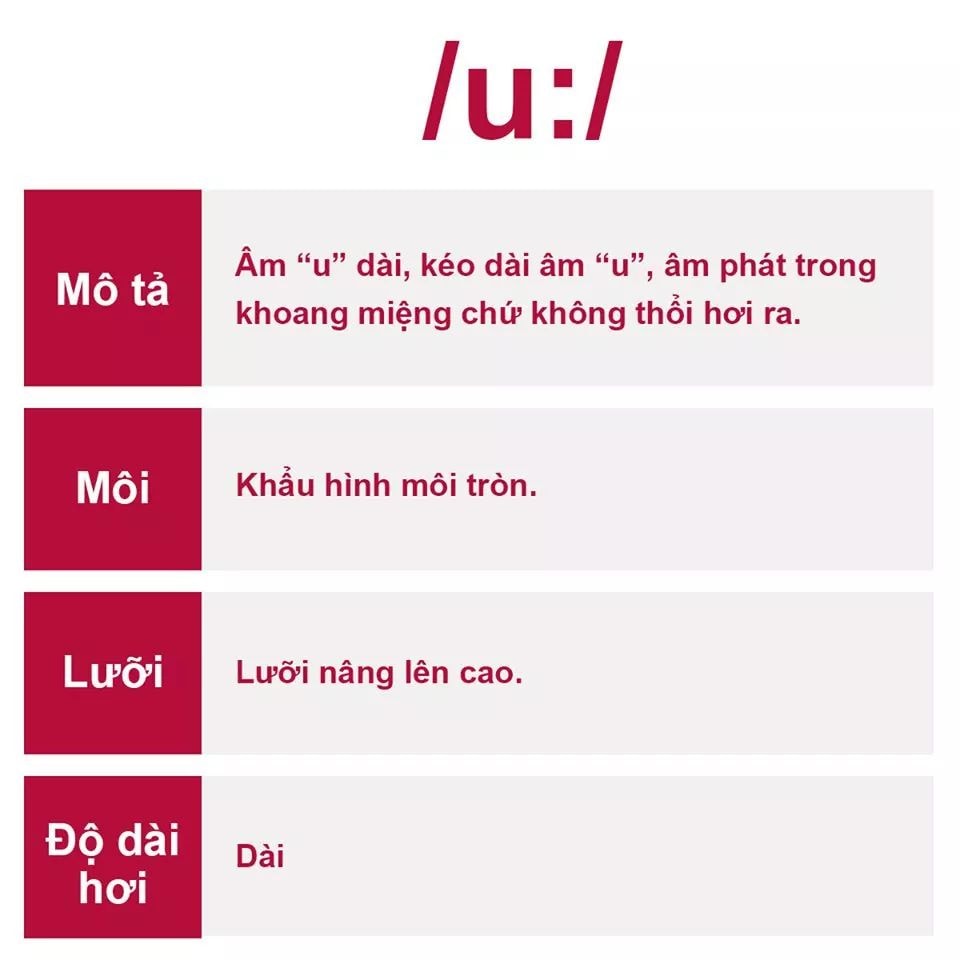
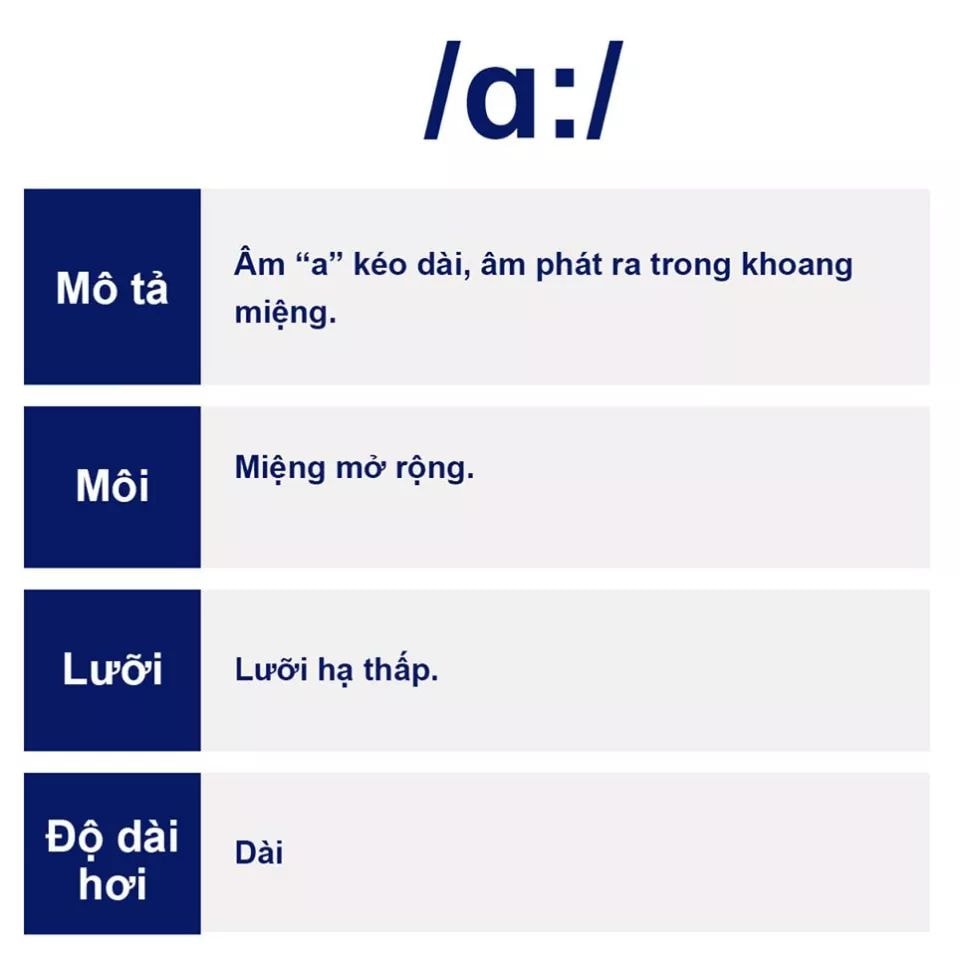
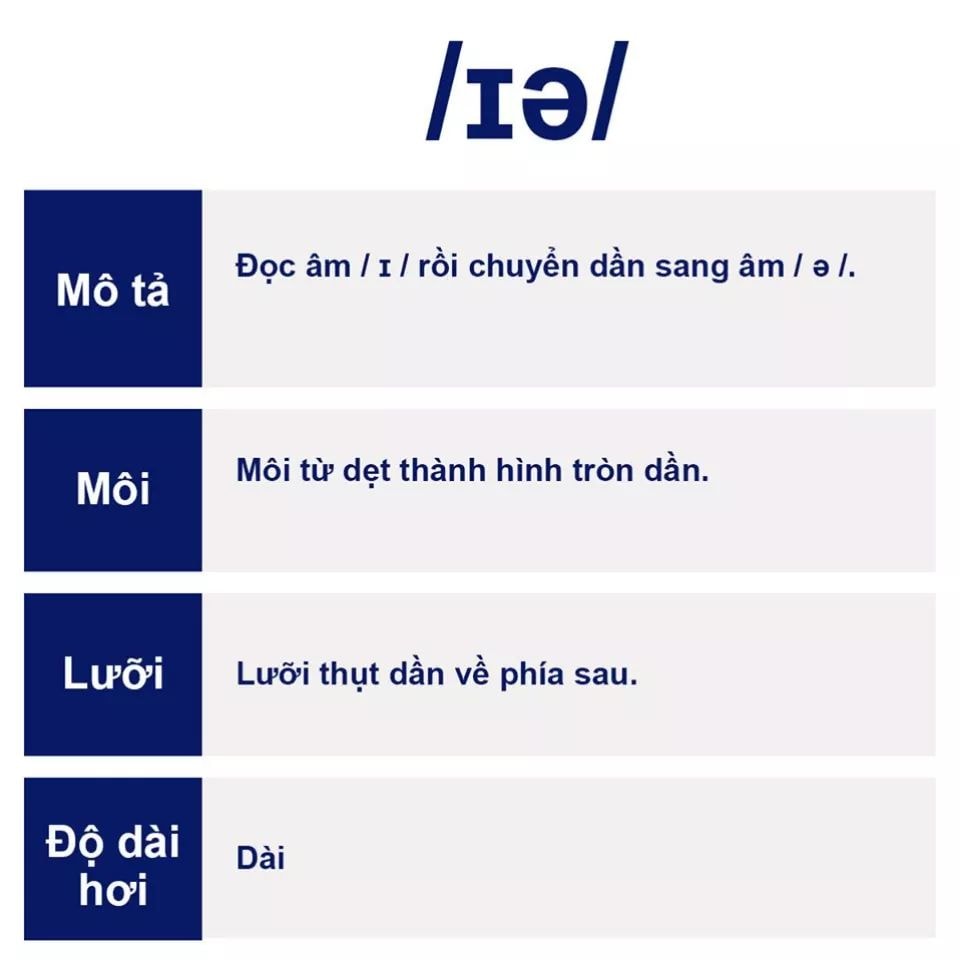
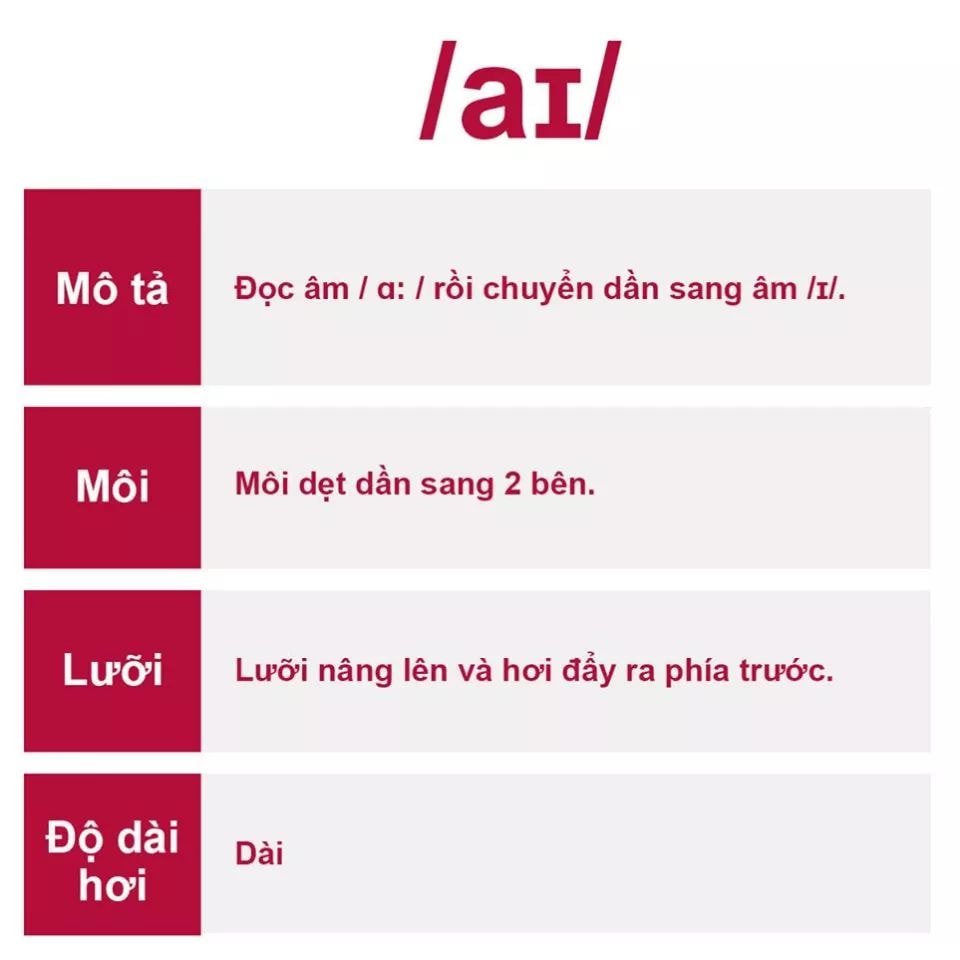
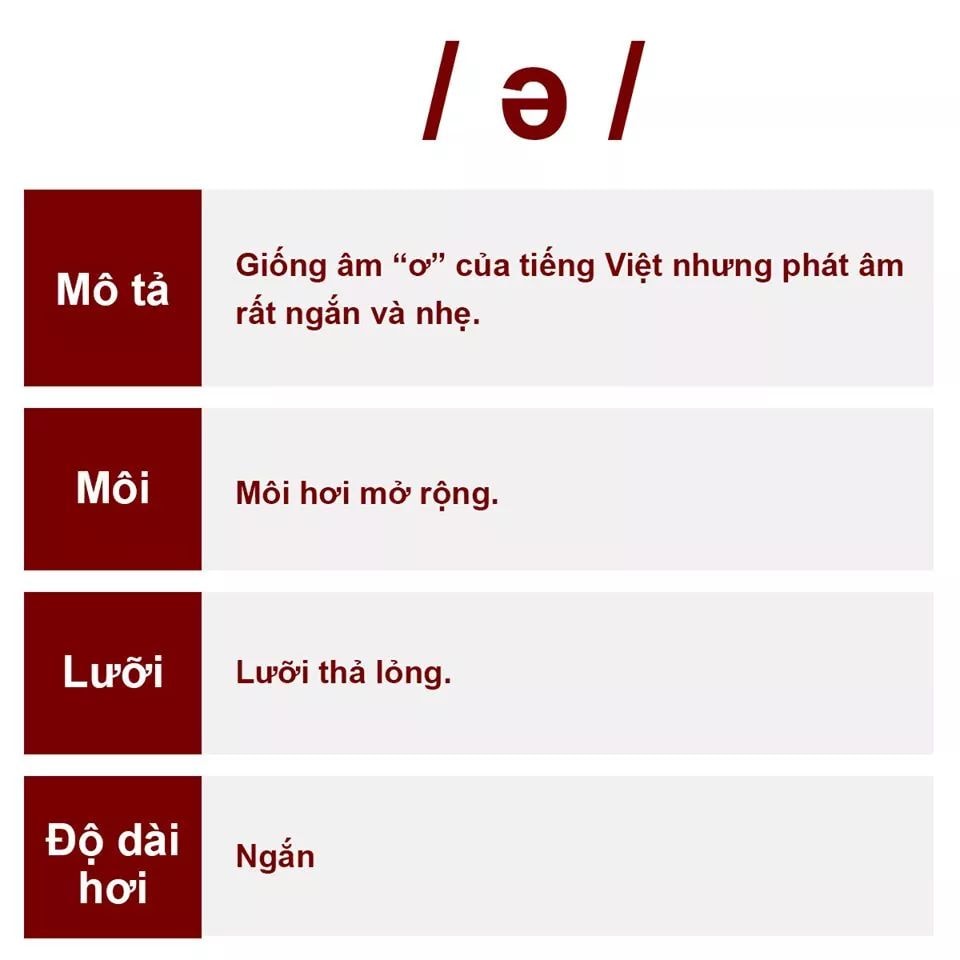
PHÁT ÂM IPA CHUẨN KHÔNG TÌ VẾT.

IPA hay Bảng ký hiệu ngữ âm quốc tế là hệ thống các ký hiệu ngữ âm được các nhà ngôn ngữ học tạo ra và sử dụng nhằm thể hiện các âm tiết trong mọi ngôn ngữ của nhân loại một cách chuẩn xác và riêng biệt.

Bảng mẫu tự phiên âm quốc tế được ứng dụng trong việc học một ngôn ngữ mới về khả năng phát âm và khả năng nghe. Nó cũng được dùng trong việc huấn luyện giọng nói cho các diễn viên để có một giọng nói truyền cảm hoặc thay đổi giọng điệu của ngôn ngữ. IPA có thể giúp sử dụng khẩu hình miệng, môi, răng, lưỡi đúng vị trí và cách điều khiển dòng khí để tạo ra âm thanh chuẩn khi học ngoại ngữ.

Nguồn: Bí quyết dạy Ngoại Ngữ sớm cho con.

5 PHÚT NÓI TIẾNG ANH MỖI NGÀY- DAY 7.

BÀI HỌC 7: MUỘN QUÁ.

Richard: Mary, bạn muốn mua gì đó ăn với tôi không?
Mary, would you like to get something to eat with me?

ˈmɛri, wʊd ju laɪk tu gɛt ˈsʌmθɪŋ tu it wɪð mi? 
Mary: Được. Khi nào?
OK. When?

ˈoʊˈkeɪ. wɛn? 
Richard: Lúc 10 giờ.
At 10 O’clock.

æt tɛn əˈklɑk. 
Mary: 10 giờ sáng hả?
10 in the morning?

tɛn ɪn ðə ˈmɔrnɪŋ? 
Richard: Không, tối.
No, at night.

noʊ, æt naɪt. 
Mary: Rất tiếc, trễ quá. Tôi thường đi ngủ vào 10 giờ tối.
Sorry, that’s too late. I usually go to bed around 10:00PM.

ˈsɑri, ðæts tu leɪt. aɪ ˈjuʒəwəli goʊ tu bɛd əˈraʊnd tɛn ˈpiˈɛm. 
Richard: Được, 1:30 chiều thì sao?
OK, how about 1:30 PM?

ˈoʊˈkeɪ, haʊ əˈbaʊt hæf pæst wʌn ˈpiˈɛm? 
Mary: Không, như vậy sớm quá. Tôi vẫn còn đang làm việc lúc đó.
No, that’s too early. I’ll still be at work then.

noʊ, ðæts tu ˈɜrli. aɪl stɪl bi æt wɜrk ðɛn. 
Richard; Vậy 5 giờ chiều?
How about 5:00PM?

haʊ əˈbaʊt faɪv ˈpiˈɛm? 
Mary: Tốt lắm.
That’s fine.

ðæts faɪn. 
Richard: Tốt, gặp bạn lúc đó.
OK, see you then.

ˈoʊˈkeɪ, si ju ðɛn. 

Mary: Được, tạm biệt.

Alright. Bye.

ˌɔlˈraɪt. baɪ 

1001 CÂU ĐÀM THOẠI TIẾNG ANH THÔNG DỤNG NHẤT: TẠI TRƯỜNG ĐẠI HỌC.

1.Are you a student?

ɑr ju ə ˈstudənt
Cô có phải là sinh viên không?
2.I’m majoring in English.

.aɪm ˈmeɪʤərɪŋ ɪn ˈɪŋglɪʃ
Mình chuyênTiếng Anh.
3.Which year are you in?

wɪʧ jɪr ɑr ju ɪn
Bạn học năm mấy?
4.I am a sophomore.

aɪ æm ə ˈsɑfˌmɔr
Mình là sinh viên năm hai.
5.I’ve just graduated.

aɪv ʤʌst ˈgræʤuˌeɪtɪd
Mình vừa tốt nghiệp.
6.I am doing a PhD in economics.

aɪ æm ˈduɪŋ ə PhD ɪn ˌikəˈnɑmɪks
Tôi đang làm tiến sĩ ngành kinh tế.
7.I’m taking a gap year.

aɪm ˈteɪkɪŋ ə gæp jɪr
Mình đang nghỉ một năm trước khi học.

10 NGÔN NGỮ ĐÁNG HỌC NHẤT THẾ GIỚI.

Anh, Italy hay Tây Ban Nha… là những ngôn ngữ đáng học nhất thế giới năm 2019-2020 theo gợi ý từ trang Gooverseas.

1. Tây Ban Nha

Chỉ xếp sau tiếng Trung Quốc, tiếng Tây Ban Nha có 400 triệu người bản ngữ trên khắp thế giới. Nhưng không giống như tiếng Trung, tiếng Tây Ban Nha là ngôn ngữ chính thức của 20 quốc gia và thường được sử dụng như ngôn ngữ thứ nhất, thứ hai hoặc thứ ba tại nhiều nước.

Biết tiếng Tây Ban Nha, bạn không chỉ du lịch dễ dàng ở Nam Mỹ, châu Âu mà còn dễ thích nghi nếu sống ở Bắc Mỹ. Ngày nay, khoảng 13% dân số Mỹ nói tiếng Tây Ban Nha như ngôn ngữ thứ nhất và một nghiên cứu dự đoán vào năm 2050 dân Mỹ có thể nói tiếng Tây Ban Nha nhiều hơn bất cứ quốc gia nào.

2. Tiếng Pháp

Tiếng Pháp được nói nhiều thứ năm trên thế giới và là ngôn ngữ nước ngoài được học nhiều thứ hai sau tiếng Anh. Nó không chỉ phổ biến ở Pháp, Canada mà còn ở nhiều quốc gia châu Phi và châu Á. Tiếng Pháp được công nhận là ngôn ngữ nước ngoài hữu ích khi đi du lịch.

3. Tiếng Đức

Tiếng Đức là ngôn ngữ bản địa được sử dụng rộng rãi nhất trên lục địa châu Âu. Người Áo và người dân phần lớn lãnh thổ Thụy Sĩ dùng ngôn ngữ này. Đức còn là cường quốc học thuật, kinh tế, chính trị, biết tiếng Đức sẽ là lợi thế lớn.

Tiếng Đức thực sự khá dễ học với những người nói tiếng Anh. Tuy có hàng nghìn từ đồng nghĩa và cấu trúc quy tắc khá cứng nhắc về ngữ pháp, chỉ cần người học chú tâm là có thể tiếp thu tiếng Đức khá nhanh.

Tiếng Đức được sử dụng phổ biến trên thế giới. Nguồn: Gooverseas
Học thêm một ngôn ngữ, bạn sẽ tăng thêm cơ hội việc làm cho mình. Ảnh: Gooverseas

4. Trung Quốc

Tiếng Trung được nói nhiều nhất thế giới, vì vậy không có gì lạ khi nó nằm trong danh sách này. Nhưng có một điều bạn cần biết, tiếng Trung không chỉ là một ngôn ngữ mà là một nhóm phương ngữ.

Ngôn ngữ chính thức của Trung Quốc và Đài Loan được gọi là tiếng Trung Quốc tiêu chuẩn, dựa trên tiếng địa phương phổ biến nhất của Trung Quốc – tiếng Quan thoại và được nói bởi 70% người nói tiếng Trung Quốc.

Bởi vì tiếng Trung sử dụng hệ thống chữ viết thay cho bảng chữ cái, nếu chỉ học một phương ngữ của tiếng Trung như tiếng Quan Thoại, bạn cũng có thể giao tiếp bằng văn bản với người nói các phương ngữ khác, ngay cả khi các bạn không thể hiểu nhau khi nói.

5. Tiếng Nga

Tiếng Nga là một trong sáu ngôn ngữ chính thức của Liên Hợp Quốc và là ngôn ngữ bản địa được sử dụng rộng rãi nhất ở châu Âu. Ngoài ra, nó còn là ngôn ngữ phổ biến nhất ở Á- Âu, được nói ở các mức độ không chỉ ở Nga mà còn nhiều quốc gia thuộc Liên Xô cũ, cũng như ở Israel và Mông Cổ.

Tiếng Nga không phải là ngôn ngữ dễ học cho những người nói tiếng Anh. Không chỉ sử dụng bảng chữ cái khác (bảng chữ Cyrillic) mà ngôn ngữ này còn có rất nhiều trường hợp danh từ, điều mà hầu hết người bản ngữ nói tiếng Anh chưa từng gặp.

Tuy nhiên, chính phủ Mỹ đã xác định tiếng Nga là ngôn ngữ ưu tiên, vì vậy việc học thứ tiếng này có thể mở ra con đường tìm việc làm với một trong nhiều cơ quan liên bang.

6. Tiếng Ả Rập

Nhiều quốc gia trong thế giới Ả Rập nói một số dạng tiếng Ả Rập. Đây là ngôn ngữ vĩ mô được tạo thành từ 30 dạng ngôn ngữ hiện đại. Học tiếng Ả Rập không chỉ giúp người học tiếp cận với chữ viết trên khắp thế giới Ả Rập mà còn mở đường cho người học tiếp thu một hoặc một số phương ngữ được nói ở các khu vực và quốc gia.

Biết tiếng Ả Rập cũng cung cấp nhiều cơ hội du lịch và việc làm. Ngoài ra, các ngành kinh doanh, chính trị, báo chí và cả ngành công nghiệp đều chào đón những người biết ngôn ngữ này.

7. Tiếng Italy

Tiếng Italy từ lâu đã nổi tiếng là ngôn ngữ lãng mạn và hữu ích, không chỉ được sử dụng trên khắp nước Italy mà còn ở Thụy Sĩ, Slovenia và Croatia.

Tiếng Italy cũng là ngôn ngữ tương đối dễ học với những người nói các ngôn ngữ Tây Ban Nha, Pháp hoặc Bồ Đào Nha. Ngược lại, những người nói tiếng Italy cũng dễ dàng tiếp thu những ngôn ngữ trên.

8. Hàn Quốc

Hàn Quốc có hệ thống chữ viết độc đáo được phát minh vào thế kỷ 15 và được mệnh danh là một trong những ngôn ngữ học trung thực nhất về mặt ngữ âm. Hình dạng các chữ cái của tiếng Hàn bắt chước hình dạng miệng người nói khi phát âm. Điều này khiến tiếng Hàn tương đối dễ học.

Bên cạnh đó, học tiếng Hàn sẽ giúp bạn tiếp cận với văn hóa, văn học và âm nhạc Hàn Quốc, khi mà làn sóng K-Pop đang ngày một lan tỏa.

9. Nhật Bản

Tiếng Nhật được nói nhiều thứ chín trên thế giới và là một trong những ngôn ngữ hàng đầu để học, dù là với mục đích du lịch, nghe hiểu lời bài J-Pop hay đọc truyện tranh…

Tiếng Nhật cũng là ngôn ngữ cửa ngõ tuyệt vời để học các ngôn ngữ châu Á khác, vì hệ thống chữ viết của tiếng Nhật bao gồm một số ký tự tiếng Trung Quốc và ngữ pháp của nó tương tự như tiếng Hàn. Học tốt tiếng Nhật sẽ giúp bạn tiếp cận dễ dàng với hai ngôn ngữ trên.

10. Tiếng Anh

Tiếng Anh là ngôn ngữ phổ biến thứ hai trên thế giới, với 1,4 tỷ người bản ngữ và không phải bản ngữ sử dụng. 1/5 người trên toàn cầu nói được ít nhất một ít tiếng Anh. Vì vậy ngay cả khi bạn không nói được tiếng mẹ đẻ của người đối thoại thì rất có thể hai bạn có thể giao tiếp với nhau bằng tiếng Anh.

Tiếng Anh tạo thành cầu nối giữa các nền văn hóa và ngôn ngữ. Vậy nên không có gì lạ khi nó là một trong những ngôn ngữ hàng đầu để học trên toàn thế giới.

LUYỆN NGHE TIẾNG ANH CHO NGƯỜI MỚI BẮT ĐẦU VỚI ESL-LAB.

Esl-lab là một trong những lựa chọn hàng đầu khi có một thư viện nội dung khổng lồ để luyện nghe. Không chỉ có các đoạn audio hội thoại với nhiều chủ đề về cuộc sống thường nhật, esl-lab còn cung cấp hệ thống bài tập phong phú để kiểm tra và luyện kỹ năng nghe của người nghe nữa.

  1. Luyện nghe trên esl-lab hiệu quả

Để có thể sử dụng các file audio trên trang web, máy tính của bạn cần phải cài đặt các phần mềm như: Window Media Player, Flash Player… và có kết nối Internet. Tại trang web, các bài nghe sẽ được phân theo 3 cấp độ khác nhau gồm: Dễ (Easy), Trung bình (Intermediate) và Khó (Difficult). Vì vậy, tùy theo khả năng của bản thân mà bạn đánh giá mình đang ở mức độ nào để lựa chọn bài nghe cho phù hợp. 

voh.com.vn-luyen-nghe-tieng-anh-esl-lab-anh1

Các bài nghe được chia làm 3 cấp độ từ dễ đến khó để thuận tiện cho người nghe (Nguồn: Internet)

Trong trường hợp bạn vẫn chưa xác định được cấp độ nào thì bạn hãy thử ở mức độ dễ trước xem sao nhé. Mỗi audio thường kéo dài từ hơn 1 phút đến 3 phút tùy vào bài nghe và mức độ khó tương ứng. Đối với các bài nghe ở mức dễ, các đoạn hội thoại khá ngắn và được ngắt mạch rõ ràng, câu văn cũng khá đơn giản cùng tốc độ nói chậm giúp người nghe có thể làm quen dần và tránh gây nản cho họ.

Đến với cấp độ trung bình và khó, các đoạn hội thoại sẽ dài hơn; các câu văn sẽ phức tạp hơn, tốc độ nói nhanh hơn kèm theo giọng vùng miền, đất nước khác nhau đẩy độ khó của bài nghe lên cao hơn. Vì vậy, việc lựa chọn cấp độ bài nghe ban đầu rất quan trọng, nó giúp bạn có nền tảng kỹ năng nghe ổn định và tránh bị nản khi bài nghe không phù hợp với khả năng của mình.

Bên cạnh đó, sau khi chọn các cấp độ bài nghe, bạn sẽ thấy danh sách các chủ đề về cuộc sống thường nhật khá đa dạng như: giáo dục, gia đình, thể thao, du lịch,… Bạn có thể lựa chọn chủ đề mình thích để luyện tập và nâng cao kỹ năng nghe của bản thân một cách hiệu quả và tối ưu nhất. 

voh.com.vn-luyen-nghe-tieng-anh-esl-lab-anh2

Các chủ đề bài nghe khá đa dạng cho người dùng lựa chọn (Nguồn: Internet)

Cũng giống như các trang web luyện nghe tiếng Anh khác, esl-lab cũng kèm theo những đoạn script hội thoại để bạn theo dõi và tham khảo thêm ở ngay bên dưới audio. Việc khiến esl-lab trở nên khác biệt so với các trang web khác đó là hệ thống bài tập kèm theo. Các bài tập được thiết kế theo kiểu câu hỏi trắc nghiệm ABC, điền từ vào chỗ trống… khá mới mẻ và đa dạng. 

Bạn chỉ việc vừa nghe vừa làm bài tập ngay bên dưới, hệ thống sẽ kiểm tra đáp án ngay sau đó khiến mọi việc trở nên đơn giản hơn. Các bài tập sẽ tăng dần độ khó theo mức độ bài nghe, vậy nên bạn không cần phải lo lắng nếu như các bài tập này không đáp ứng được yêu cầu của bạn.

Một điểm cộng dành cho esl-lab đó là mục chú thích thành ngữ và từ vựng ngay bên dưới đoạn script hội thoại. Nó giúp bạn ôn lại hoặc bổ sung thêm vào vốn từ của mình, hiểu rõ nghĩa và cách vận dụng chúng trong thực tế hằng ngày như người bản xứ.

voh.com.vn-luyen-nghe-tieng-anh-esl-lab-anh3

Thiết kế bài nghe khá phù hợp cho những người tự luyện nghe tiếng Anh (Nguồn: Internet)

  1. Đối tượng esl-lab hướng đến

Giao diện của https://www.esl-lab.com/ khá đơn giản và dễ sử dụng nên phù hợp với mọi đối tượng người dùng. Không như một số trang web luyện nghe tiếng Anh khác phải đăng ký thành viên, thủ tục thanh toán và lắp đặt phần mềm rườm rà và tốn kém, esl-lab hoàn toàn miễn phí nên rất được các bạn học sinh, sinh viên ưa chuộng.

Nhờ thiết kế khá tương đồng với các bài thi nghe bên ngoài của esl-lab, các bạn học sinh, sinh viên  và các đối tượng người dùng khác sẽ dễ dàng tiếp cận và làm quen hơn với cấu trúc bài thi nghe cơ bản và tập cho họ các kỹ năng làm bài nghe hiệu quả và tiết kiệm thời gian. 

voh.com.vn-luyen-nghe-tieng-anh-esl-lab-anh4

Cấu trúc bài nghe rất thích hợp cho nhiều đối tượng người dùng, đặc biệt là học sinh – sinh viên (Nguồn: Internet)

Trang web esl-lab cũng liên kết với các với các trang web khác như: Tips For Students, Train Your Accent, EZSlang… để cùng thảo luận và tích lũy kinh nghiệm từ những lời khuyên bổ ích từ chính những người dùng, người bản xứ và những người sử dụng tiếng Anh trên toàn thế giới.

  1. Tổng kết

https://www.esl-lab.com/ là một trang web hỗ trợ kỹ năng nghe tiếng Anh của bạn rất tuyệt vời. Với thiết kế cấu trúc bài nghe gần gũi và giao diện thân thiện, esl-lab thật sự là một địa chỉ đáng tin cậy cho nhiều người muốn cải thiện và kiểm tra trình độ nghe của bản thân. Vì vậy hãy đánh dấu trang web này lại và trải nghiệm ngay xem sao nhé!

Nguồn: voh.com

TẤT TẦN TẬT TỪ VỰNG TIẾNG ANH MIÊU TẢ NGOẠI HÌNH.

Dưới đây là những cụm từ hữu ích cho bạn khi miêu tả tổng quát ngoại hình của một người khác, bao gồm các tiêu chí: độ tuổi, chiều cao, vóc dáng, màu da, khuôn mặt, mái tóc, mắt, mũi, miệng và những đặc điểm khác. 

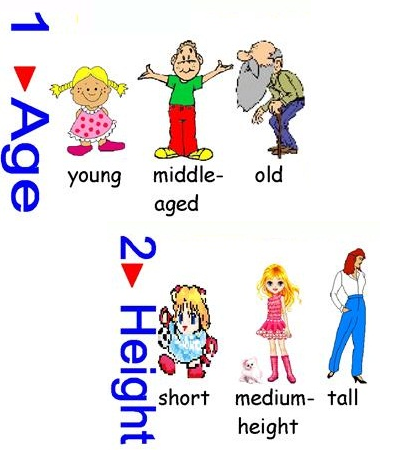
Từ vựng về độ tuổi, chiều cao.

Từ vựng về độ tuổi, chiều cao
young/jʌŋ/trẻ tuổi
middle-aged/ˌmɪd.l̩ˈeɪdʒd/trung niên
old/əʊld/  già
short/ʃɔːt/  lùn
medium-height/ˈmiː.di.əm/ / haɪt/chiều cao trung bình
tall/tɔːl/ cao

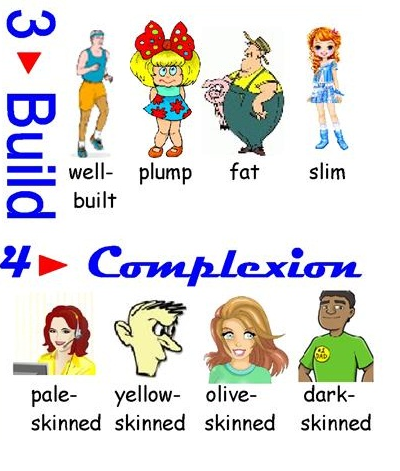
Cách miêu tả hình dáng, nước da.

Cách miêu tả hình dáng, nước da.
well-built/wel ‘bɪlt/to lớn, khỏe mạnh
plump/plʌmp/tròn trịa, phúng phính
fat/fæt/ béo
slim/slɪm/gầy
pale-skinned/peɪl/ /skɪnd/da nhợt nhạt
yellow-skinned/ˈjel.əʊ/  /skɪnd/da vàng
olive-skinned/ˈɒl.ɪv/ /skɪnd/da màu olive – vàng và hơi tái xanh
dark-skinned/dɑːk/ /skɪnd/da tối màu

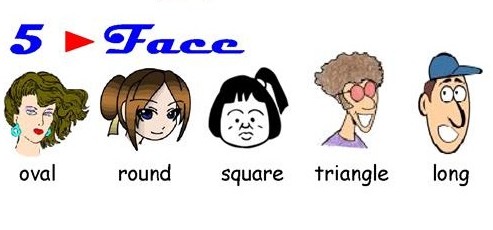
Từ vựng về hình dáng khuôn mặt.

oval/ˈəʊ.vəl/  hình oval, trái xoan
round/raʊnd/hình tròn
square/skweər/ hình chữ điền
triangle/ˈtraɪ.æŋ.ɡl̩/hình tam giác
long/lɒŋ/dài

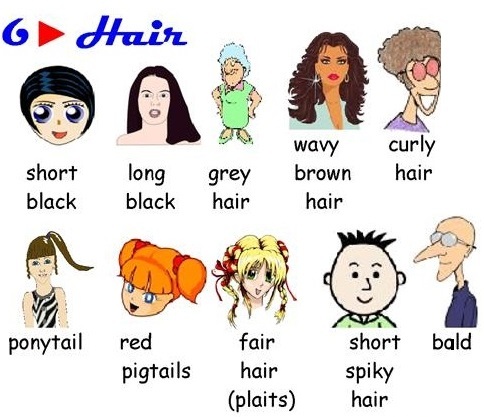
Cách miêu tả màu sắc, độ dài và kiểu tóc.

Cách miêu tả màu sắc, độ dài và kiểu tóc.
short black/ʃɔːt/  /blæk/tóc đen, ngắn
long black/lɒŋ/  /blæk/tóc đen, dài
grey hair /ɡreɪ/ /heər/  tóc muối tiêu
wavy brown hair/ˈweɪ.vi/ /braʊn/ /heər/  tóc nâu lượn sóng
curly hair/ˈkɜː.li/  /heər/  tóc xoăn sóng nhỏ, xoăn tít
ponytail/ˈpəʊ.ni.teɪl/  tóc đuôi ngựa
red pigtails/red/ /ˈpɪɡ.teɪl/tóc buộc hai bên màu đỏ
fair hair (plaits)/heər/ /feər/ (/plæt/)(tóc tết) nhạt màu
short spiky hair/ʃɔːt/ /ˈspaɪ.ki/ /heər/  tóc ngắn đầu đinh
bald/bəʊld/ hói

Nguồn: vnexpress.net

34 CẶP ĐỘNG TỪ TRÁI NGHĨA DÙNG NHIỀU TRONG TIẾNG ANH.

34 CẶP ĐỘNG TỪ TRÁI NGHĨA DÙNG NHIỀU TRONG TIẾNG ANH.
  • open – close

/’oupən/ mở >< /klouz/ đóng

  • win – lose

/win/ thắng ><  /lu:z/ thua

  • shout – whisper

/ʃaʊt/ la hét >< /ˈwɪs.pɚ/ thì thầm

  • float – sink

/floʊt/ nổi ></sɪŋk/ chìm

  • borrow – lend

/ˈbɑːr.oʊ/ đi vay >< /lend/ cho vay

  • break – mend

/breɪk/ hỏng, vỡ >< /mend/ sửa chữa

  • build – destroy

 / bɪld  / xây ><  / dɪˈstrɔɪ / phá

  • put on – take off

 /ˈpʊt.ɑːn/ mặc vào >< /teɪk. ɑːf/ cởi ra

  • punish – reward

/ˈpʌn.ɪʃ/ trừng phạt >< /rɪˈwɔːrd/ khen thưởng

  • stop – move

 /stɑːp/ dừng lại >< /muːv/ chuyển động

  • exercise – rest

 /ˈek.sɚ.saɪz/ tập luyện >< /rest/ nghỉ ngơi

  • show – hide

/ʃoʊ/ hiện ra >< /haɪd/ ẩn đi

  • drop – pick

/drɑːp/ rơi xuống >< /pɪk/ nhặt lên

  • laugh – cry

/læf/ cười >< /kraɪ/ khóc

  • give – take

/giv/ cho, biếu, tặng >< /teik/ nhận, mua, bán

  • import – export

/ˈɪm.pɔːrt/ nhập >< /ˈek.spɔːrt/ xuất

  • add – subtract

 /æd/ cộng, thêm vào >< /səb’trækt/ trừ

  • enter – exit

/’entə/ lối vào >< /’eksit/ lối ra

  • leave – stay

/li:v/ rời đi >< /stei/  lưu lại

  • play – work

/plei/ chơi ><  /wɜ:k/ làm

  • question – answer
  • /ˈkwɛstʃən/ hỏi >< /’ɑ:nsə/ trả lời
  • sit – stand

 /sit/ ngồi >< /stænd/ đứng

  • throw – catch

/θrəu/ ném >< catch /kætʃ/ bắt lấy

  • fall – rise

fɑːl/ ngã >< /raiz/ đứng dậy

  • go – stop

/ɡəu/ đi >< /stɑːp/ dừng lại

  • sleep – wake up

 /sliːp/ ngủ >< /ˈweɪk.ʌp/ thức dậy

  • live – die

/liv/ sống >< /dai/ qua đời

  • push – pull

/pʊʃ/ kéo >< /pʊl/ đẩy

  • cool – heat

 /ku:l/ mát >< /hiːt/ hơi nóng

  • pass – fail

     /paːs/ thông qua >< /feil/ trượt

  • smile – frown

/smaɪl/ mỉm cười >< /fraʊn/:nhăn nhó

  • arrive – leave

/əˈraiv/ đến >< /liːv/ đi

  • spend – save

/spend/ chi tiêu ><  /seiv/ tiết kiệm

5 PHÚT NÓI TIẾNG ANH MỖI NGÀY- DAY 4.

5 PHÚT NÓI TIẾNG ANH MỖI NGÀY- DAY 4.

DAY 4.- Bài học 4: Hỏi đường.

BÀI HỌC 4: HỎI ĐƯỜNG.

Amy: Chào Michael.

Hi Michael

haɪ ˈmaɪk(ə)l  

Michael: Chào Amy. Có chuyện gì vậy?

Hi Amy. What’s up?

haɪ ˈeɪmi. wɒts ʌp?

Amy: Tôi đang tìm phi trường. Bạn có thể nói cho tôi biết cách nào đến đó được không

I’m looking for the airport. Can you tell me how to get there?

aɪm ˈlʊkɪŋ fɔː ði ˈeəpɔːt. kæn juː tɛl miː haʊ tuː gɛt ðeə?

Michael: Không, rất tiếc. Tôi không biết.

No, sorry. I don’t know.

nəʊ, ˈsɒri. aɪ dəʊnt nəʊ.

Amy: Tôi nghĩ tôi có thể đi xe điện ngầm để tới phi trường. Bạn có biết đường xe điện ngầm ở đâu không?

I think I can take the subway to the airport. Do you know where the subway is? aɪ θɪŋk aɪ kæn teɪk ðə ˈsʌbweɪ tuː ði ˈeəpɔːt. duː juː nəʊ weə ðə ˈsʌbweɪ ɪz?

Michael: Chắc rồi, nó đằng kia.

Sure, it’s over there

ʃʊə, ɪts ˈəʊvə ðeə

Amy: Ở đâu? Tôi không thấy nó.

Where? I don’t see it.

weə? aɪ dəʊnt siː ɪt

Michael: Phía bên kia đường.

Across the street.

əˈkrɒs ðə striːt.

Amy: Ô, bây giờ tôi thấy rồi. Cảm ơn.

Oh, I see it now. Thanks.

əʊ, aɪ siː ɪt naʊ. θæŋks

Michael: Không có gì.

No problem.

nəʊ ˈprɒbləm.  

Amy: Bạn có biết nhà vệ sinh nào quanh đây không?

Do you know if there’s a restroom around here?

duː juː nəʊ ɪf ðeəz ə ˈrɛstrʊm əˈraʊnd hɪə?

Michael: Vâng. Có một cái đấy. Nó ở trong cửa hàng.

Yes, there’s one here. It’s in the store.

jɛs, ðeəz wʌn hɪə. ɪts ɪn ðə stɔː.

Amy: Cảm ơn.

Thank you.

θæŋk juː         

Michael: Tạm biệt.

Bye.

baɪ.

Amy: Tạm biệt.

Bye bye.

baɪ baɪ.

5 PHÚT NÓI TIẾNG ANH MỖI NGÀY- DAY 4.

KHAI GIẢNG KHÓA HỌC GIAO TIẾP CHO NGƯỜI MỚI BĂT ĐẦU THÁNG 7.

Khóa học tiếng Anh giao tiếp tổng hợp là khóa học tiếng Anh cơ bản dành cho hầu hết những học viên mới bắt đầu học tiếng Anh hoặc những người sau một thời gian dài không sử dụng nay muốn bổ sung lại kiến thức từ đầu.

1. Đối tượng tham gia:

  • Người mới bắt đầu học Tiếng Anh.
  • Người đã học Tiếng Anh nhưng lâu không sử dụng.
  • Trình độ: yếu, phát âm không chuẩn, chưa có phản xạ nghe nói, ít từ vựng, sợ học tiếng anh.
  • Ưu điểm: giáo viên giỏi, lớp ít người (5-7 người).

2. Mục tiêu của khóa học:

Sau khi học xong chương trình, học viên được trang bị các kiến thức như sau:

  • Từ vựng: Những từ vựng đơn giản nói về tên tuổi, ngày tháng, đất nước, gia đình, công việc, giá cả, tiền, thức ăn, phim ảnh, âm nhạc.
  • Ngữ pháp: Thời hiện tại thường, hiện tại tiếp diễn, quá khứ đơn, tương lai gần,.cấu trúc there is/ there are, danh từ đếm được và không đếm được, sở hữu cách, cách sử dụng giới từ cơ bản,
  • Kỹ năng ngôn ngữ: Có khả năng giới thiệu về bản thân, về đất nước, con người, nhận xét đơn giản về phong cảnh, phim ảnh, hội họa, cách trả lời điện thoại. đọc hiểu biển quảng cáo, bài giới thiệu về văn hóa các nước và văn hóa Anh, các từ viết tắt của các tổ chức trên thế giới, các hoạt động thể thao.

3. Tài liệu học tập:

  • Tài liệu trung tâm soạn theo chương trình chuẩn.
  • Giáo trình Oxford
  • Tài liệu Effortless English.
  • Trang web để ôn tập.

4. Học phí và thời gian học tập:

  • Học phí: 3.000.000 đ/khóa
  • Thời gian học tập: 30 buổi. 18h/17h30.

5. Đăng ký:

  • Đến trực tiếp trung tâm: 119 Nguyễn Thị Duệ, phường Thanh Bình, tp Hải Dương.
  • Gọi điện đến số 02206.606.468 hoặc số hotline: 0901 513 359.
  • Inbox trực tiếp với fanpage: https://www.facebook.com/tienganhtriduc/

TỪ VỰNG CÁC HOẠT ĐỘNG THỂ THAO.

TỪ VỰNG CÁC HOẠT ĐỘNG THỂ THAO.

TỪ VỰNG CÁC HOẠT ĐỘNG THỂ THAO.
  • Walk – Don’t try to walk before you can crawl.
  • Run – Do not run too fast after gain.
  • Stretch – Breathe in through your nose as you stretch up.
  • Jump  – Can you jump over the river?
  • Bounce – Bounce the ball and try and hit it over the net.
  • Serve – Serving is arguably the most important aspect of the game, as it is the one shot which has to be in every single rally.
  • Lie down – For this exercise, it is best to lie down, or sit with both feet on the floor.
  • Sit – Sit on the floor, stretching your legs out in front of you.
  • Kneel – Do not run, stand, kneel or spin in the slide.
  • Ride – Life is a horse, and either you ride it or it rides you.
  • Kick – The kids love to kick a ball against my wall.
  • Hop – I tried to hop on my good foot while holding onto Jim.
  • Skip – They skip rope and play catch.
  • Pass – Pass the ball to the person next to you in the circle and pretend the ball is really heavy by miming.
  • Dribble – He was trying to dribble the ball past his opponents.
  • Shoot – Keep your distance, or I’ll shoot!
  • Catch – The baseball hitter fumbled his attempt to catch it.
  • Hit – Look! He is hitting the ball to the goal.

TỪ VỰNG CÁC HOẠT ĐỘNG THỂ THAO

Nguồn: ESL.

BÍ MẬT HỌC TIẾNG ANH QUA BÀI HÁT HIỆU QUẢ.

Học tiếng Anh qua bài hát – Là cụm từ được rất nhiều bạn search trên google cũng đủ chứng minh độ hot cũng như sự quan tâm tới cách học tiếng Anh này phải không các bạn.

Học tiếng Anh qua bài hát đang được rất nhiều người quan tâm

Tại sao cách học tiếng Anh qua bài hát lại hiệu quả?

Nghiên cứu khoa học từ Giáo sư Suzanne L. Medina, Khoa Giáo dục, ĐH California mạnh mẽ chỉ ra rằng Âm nhạc giúp cho người học ngôn ngữ thứ 2 học ngữ pháp và từ vựng hiệu quả hơn và giúp giảm thiểu việc sai chính tả.

1. Bổ sung vốn từ vựng và các cấu trúc tiếng Anh qua bài hát. 

Học tiếng Anh qua bài hát cũng giúp người học tăng vốn từ vựng khá tốt. Các bài hát US – UK luôn chứa nhiều từ vựng, các cụm từ, cấu trúc cũng như cách diễn đạt hợp lý, ngắn gọn, rất phù hợp cho việc sử dụng hằng ngày. Có thể kể đến như những cụm từ lóng, cụm thành ngữ hay các từ vựng trong giao tiếp hằng ngày. Điều này thực sự rất hữu dụng nếu người học biết cách lựa chọn bài hát, giai điệu và ý nghĩa để học tập. 

Ngoài ra, âm nhạc là hình thức giải trí rất dễ để bạn nghe đi nghe lại và in sâu trong tâm trí. Vì vậy, nếu bạn nghe một bài hát liên tục trong thời gian ngắn thì việc nhớ lâu, phản xạ nhanh với các từ vựng có trong bài đó cũng là một điều rất dễ hiểu.

Học tiếng Anh qua bài hát là phương pháp đã được kiểm chứng.

2. Luyện phát âm tiếng Anh chính xác. 

Khi nghe nhạc trong thời gian dài và liên tục, bạn sẽ dần quen thuộc với cách phát âm, hướng âm thanh cũng như nhịp điệu của ngôn ngữ này. Từ đó, bạn có thể cải thiện khả năng phát âm cũng như bắt kịp nhịp điệu và tông giọng của ca sĩ. Hãy lựa chọn thể loại âm nhạc mà bạn yêu thích, bật nó lên mọi lúc mọi nơi. Vừa là một cách thư giãn vừa là một phương pháp luyện tiếng Anh rất hữu ích đó. 

3. Làm quen văn hóa giao tiếp qua việc học tiếng Anh qua bài hát.

Thông qua âm nhạc, bạn sẽ có thêm nhiều góc nhìn về văn hóa giao tiếp, cách ứng xử trong tiếng Anh, cùng với đó là cách mọi người diễn đạt quan điểm, suy nghĩ và cảm nhận của bản thân. Không chỉ giúp bạn có thêm nhiều kiến thức về ngôn ngữ, học tiếng Anh qua bài hát còn giúp bạn tiếp thu được nhiều suy nghĩ, cảm nhận của người nước ngoài.

Ngoài ra, khi thuộc nhiều bài hát tiếng Anh, bạn cũng có thêm nhiều thông tin để bàn luận cũng như trình bày về sở thích của bản thân khi trò chuyện với người nói tiếng Anh.

 Phương pháp học tiếng Anh qua bài hát hiệu quả nhất.

Phương pháp học tiếng Anh qua bài hát.
  1. Điền vào chỗ trống: bạn cần chuẩn bị  một bản copy lời bài hát có nhiều khoảng trống để điền vào trong lúc nghe. Những khoảng trống này không chỉ đơn giản là những khoảng trống ngẫu nhiên mà đó là những khoảng trống để điền cùng một nhóm từ như: động từ, tính từ, giới từ, v.v…
  2. Phát hiện lỗi sai: thay đổi một vài chỗ trong lời bài hát để phát hiện ra lỗi sai trong khi nghe. Ví dụ: “gonna” đổi thành “going to” hoặc “we was” đổi thành “we were” để thử thách người học ở mức độ khó hơn. 
  3. Bài hát biến thành truyện tranh: đầu tiên, hãy xem lời bài hát và chắc chắn rằng bạn đã nắm được những ý chính. Sau đó cho bạn nghe nhạc và bắt đầu vẽ lên những câu chuyện của riêng mình..
  4. Sắp xếp lời bài hát: Đây là một hoạt động rất đơn giản. Cắt lời bài hát thành từng câu rời rạc, thay đổi vị trí và sắp xếp chúng lại theo thứ tự. 
  5. Thảo luận: Cách hay nhất để hình thành một cuộc thảo luận hoặc bắt đầu một chủ đề từ vựng mới là mượn lời bài hát. Ví dụ: bài Black Eyed Peas là một bài hát hay để bắt đầu buổi thảo luận về chủ đề chiến tranh và tình yêu.
  6. Dịch thuật: dịch lời bài hát tiếng Anh ra tiếng mẹ đẻ sao cho thật hay sẽ là một hoạt động thú vị.
  7. Viết lời tiếp theo cho bài hát: Ở trình độ cao hơn, bạn có thể viết một câu hát mới cho một đoạn nhạc hay viết lại mới toàn bộ lời bài hát nhưng vẫn khớp với giai điệu bài nhạc. Hoạt động này vừa kích thích sự sáng tạo nhưng cũng vừa rèn luyện kỹ năng viết tiếng Anh.

BÍ MẬT HỌC TIẾNG ANH QUA BÀI HÁT HIỆU QUẢ.

1001 câu đàm thoại Tiếng Anh thông dụng nhất: Mua vé máy bay.

CÂU ĐÀM THOẠI TIẾNG ANH THÔNG DỤNG NHẤT: MUA VÉ MÁY BAY.

1. I’d like to buy a ticket to Singapore.
Tôi muốn mua một vé đi Singapore.
2.Would you like one way or round-trip tickets?
Anh/chị muốn vé một chiều hay khứ hồi?
3.When will you be leaving?
Khi nào anh/chị đi?
4.When does the next plane leave?
Khi nào chuyến bay tiếp theo cất cánh?
5.I’d like a ticket for that flight, please.
Tôi muốn mua một vé đi chuyến đó.
6.First class or coach?
Khoang hạng nhất hay hạng thường?
7.Let me check availability.
Để tôi kiểm tra xem còn vé không.

1001 câu đàm thoại Tiếng Anh thông dụng nhất: Mặc cả.

1001 CÂU ĐÀM THOẠI TIẾNG ANH THÔNG DỤNG NHẤT: MẶC CẢ.

1. What about its price?
Nó giá bao nhiêu vậy?
2. It’s $200.
Nó giá 200 đô la.
3. It’s too expensive.
Mắc quá.
4. We are charging reasonably for you.
Chúng tôi bán giá phải chăng rồi thưa quí khách.
5.I will not give you more than $150.
150 đô la nhé, tôi không thể trả hơn được đâu.
6.Now I have lost my profit. Give me $180.
Vậy tôi tính anh/chị 180 đô la thôi. Tôi không lấy lời rồi đấy.
7.You won.
Được rồi. Theo ý anh/ chị vậy.

1001 CÂU ĐÀM THOẠI TIẾNG ANH THÔNG DỤNG NHẤT: MẶC CẢ.

Nguồn: HelloChao

IELTS Speaking Practice: Social Media

Social Media

Speaking Part

Q1: Do you use social media?

Yes, I do. I am quite a social media enthusiast. I spend a considerable amount of time scrolling through feeds and interacting with friends on various platforms such as Facebook and Instagram.

• Social media enthusiast → Người hâm mộ mạng xã hội

• Scrolling through feeds → Lướt qua các bài đăng

• Interacting with friends → Tương tác với bạn bè

Q2: What do you usually do on social media?

Mostly, I use social media for staying in touch with friends and family, and for keeping up-to-date with the latest news or events. I also occasionally share some of my personal experiences or thoughts.

• Staying in touch → Giữ liên lạc

• Keeping up-to-date → Cập nhật thông tin

• Share personal experiences → Chia sẻ kinh nghiệm cá nhân

Q3: What are the advantages and disadvantages of using social media?

On the positive side, social media platforms provide a convenient way to communicate and share information. However, they can also be time-consuming and distract from more productive activities. Additionally, they have the potential to spread misinformation and can have negative effects on mental health.

• Convenient way → Cách tiện lợi

• Time-consuming → Tốn thời gian

• Spread misinformation → Phổ biến thông tin sai lệch

Exercises

  1. 1. Social media platforms provide a ______ way to communicate.
  2. 2. I use social media for ______ in touch with friends.
  3. 3. I am quite a social media ______.
  4. 4. They can also be ______ and distract from more productive activities.
  5. 5. I spend a considerable amount of time ______ through feeds.
  6. 6. I also occasionally share some of my personal ______.
  7. 7. They have the potential to spread ______.
  8. 8. Social media can have negative effects on mental ______.
  9. 9. I use social media for keeping ______ with the latest news.
  10. 10. Social media can also ______ from more productive activities.

Answers

  1. 1. Convenient
  2. 2. Staying
  3. 3. Enthusiast
  4. 4. Time-consuming
  5. 5. Scrolling
  6. 6. Experiences
  7. 7. Misinformation
  8. 8. Health
  9. 9. Up-to-date
  10. 10. Distract